يحاول ذهب - حر
Potatoes five ways
January 2022
|Gardeners World
We put spuds to the test by growing them using five different methods to reveal which is best for high yields and your growing space

Don’t let anybody say growing your own spuds isn’t worth it: one mouthful of sweet, buttery new potatoes, cooked minutes after you dug them up, tells you otherwise.
Grow your own and you’ll discover more variety than you knew existed, with dozens of richly flavoured, brightly coloured potatoes to choose from. Homegrown spuds are also chemical free and count food miles in metres.
Potato plants are big beasts, though, and as gardens shrink and awareness grows about how digging damages soil, gardeners are trying new ways to grow them. We put four techniques to the test to see if they’re up to the job, as well as growing spuds the old-fashioned way for comparison.
We assessed each method for effort, suitability, environmental impact and, of course, yield. What we discovered was sometimes surprising – but proved that wherever and however you grow, there’s space for spuds in every garden.

Raised beds
TRADITIONAL
Best for High yields
Traditional trench growing, handed down from gardener to gardener for generations, requires plenty of space and a sturdy back.
Dig a trench about 20cm deep then sit tubers along the bottom, 30cm apart for first earlies or 45cm for second earlies and maincrops. Backfill with soil. Once sprouts appear, earth them up, pulling soil over the stems with a hoe to encourage more tubers.
This method required the most work by far. It isn’t feasible in small gardens, and it doesn’t do the soil much good as you’re constantly disturbing it. But the rewards were high: we harvested more potatoes from this method than any other.


هذه القصة من طبعة January 2022 من Gardeners World.
اشترك في Magzter GOLD للوصول إلى آلاف القصص المتميزة المنسقة، وأكثر من 9000 مجلة وصحيفة.
هل أنت مشترك بالفعل؟ تسجيل الدخول
المزيد من القصص من Gardeners World
BBC Gardeners World
Prune young trained nectarines
Taking out unwanted sideshoots will help concentrate the plant’s energy into producing fruit Remove sideshoots that are pointing in the wrong direction on fan-trained nectarine trees.

2 mins
June 2026

BBC Gardeners World
Inspired by Barbadian gardens
Despite the very different climate and growing conditions found in Barbados, there are plenty of ways to be inspired and bring a Barbadian feel to your garden here
1 mins
June 2026
BBC Gardeners World
A year of fresh herbs
While dried herbs are great, you can't beat them when they're fresh.
1 min
June 2026

BBC Gardeners World
Garden 'me' time
Sometimes the best summer moments are the quietest ones. Whether you're curling up with a good book, sketching the view, or simply soaking up the atmosphere, these picks are all about comfort, creativity and making the most of your own company in the garden
1 mins
June 2026
BBC Gardeners World
in the kitchen garden
June is wonderfully busy in the kitchen garden and is when successional sowing really comes into its own.
1 mins
June 2026
BBC Gardeners World
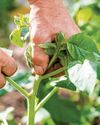
Pinch out side shoots of cordon tomatoes
Use your thumb and forefinger to nip out any small side shoots developing at the base of the leaves where they meet the stem.
1 mins
June 2026

BBC Gardeners World
Deadhead faded iris blooms
Remove faded flowers from mass displays of iris to better show off the plants that are still looking fresh and at their peak.
3 mins
June 2026

BBC Gardeners World
Success with COURGETTES
Stephanie Hafferty trialled 10 courgette varieties with fruits of various colours, sizes and shapes, to help you choose which to grow and ensure you get a great crop
8 mins
June 2026

BBC Gardeners World
Choose the ideal location for alocasia
Use alocasias such as 'Polly' (pictured) to add an exotic twist to indoor displays.
1 mins
June 2026

BBC Gardeners World
Sow more follow-on salads
Keep sowing new batches of salad crops, such as rocket, mustard greens, mizuna spinach and lettuce, to ensure a steady, constant supply.
1 mins
June 2026
Translate
Change font size