Versuchen GOLD - Frei
Anxious Idleness
Philosophy Now
|February/March 2021
Why are we incapable of guilt-free leisure? Jacob Snyder says, blame John Locke!
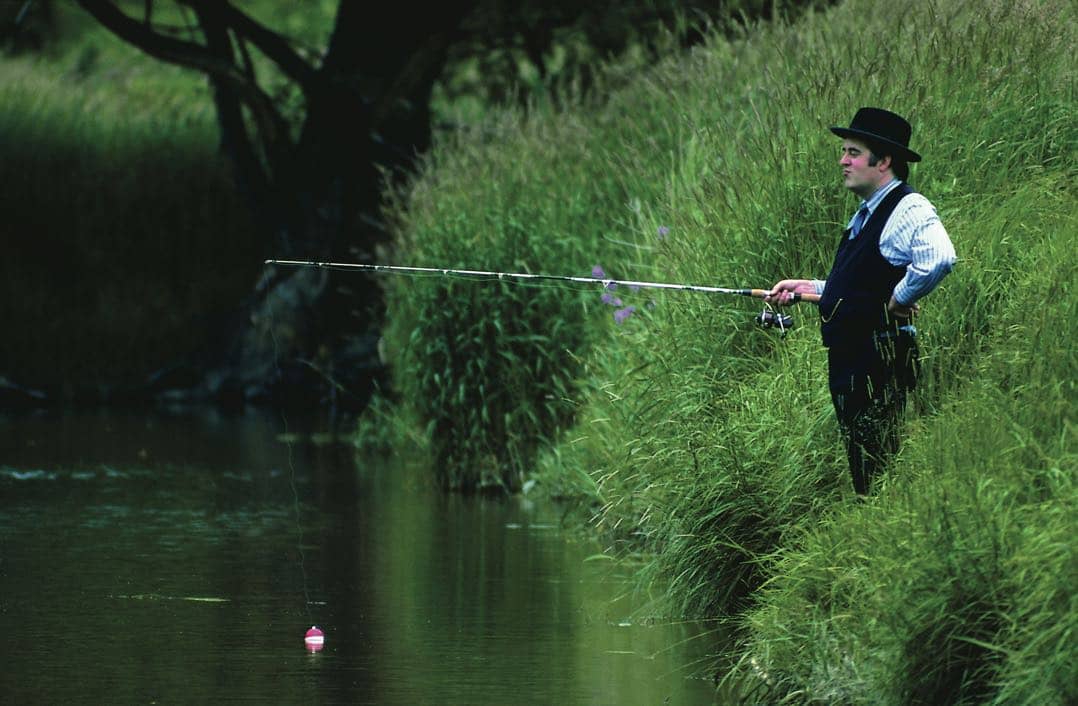
The unique spell of forced leisure imposed by Covid notwithstanding, it is a truth universally acknowledged that we lack sufficient leisure. We lead busy lives and wish that this were less the case. When considering why, the obvious initial answer is that our economic conditions bar us from leisure. We would like to work less, but working more is an economic necessity.
This is a convenient answer because it places the blame outside of ourselves. Rather than admitting any agency in the matter, we blame external necessities. Although economic necessity likely explains some of our lack of leisure, I do not think we should let ourselves off the hook so easily. If economic conditions were the only, or even primary, explanation, how do we explain the wealthy working longer hours than any other class? Also thinking more broadly, the middle and even the working classes in postindustrial nations lead lives of material convenience and comfort that would arouse the envy of the leisured gentry of centuries past. So, why do we continue to work as much as we do, to continue to seek economic advancement? Why not trade some of those economic gains for greater leisure? Is it simply greed?
Whereas the economic explanation lets us off the hook too easily, the greed explanation is unjustly harsh. Instead, I would like to examine the principled reasons for working when we could be leisured. The principled account has the advantage of explaining the moral guilt we feel when we are idle. We feel guilty when we are not useful, even when the putative usefulness is non-economic, such as re-organizing the garage or mowing the lawn when it’s grown another inch.
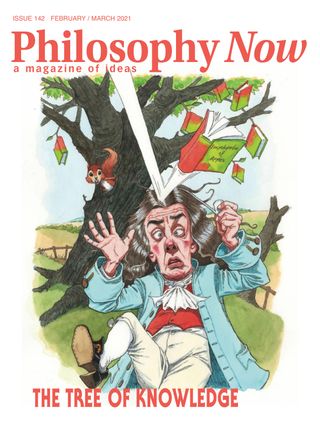

Diese Geschichte stammt aus der February/March 2021-Ausgabe von Philosophy Now.
Abonnieren Sie Magzter GOLD, um auf Tausende kuratierter Premium-Geschichten und über 9.000 Zeitschriften und Zeitungen zuzugreifen.
Sie sind bereits Abonnent? Anmelden
WEITERE GESCHICHTEN VON Philosophy Now

Philosophy Now
The Possibility- Bearing Animal
Raymond Tallis explores a twilight zone.

7 mins
February/March 2026

Philosophy Now
Amazing Times at the Pub Agora
John Douglas Mullen is a philosophical bar fly on the wall.
8 mins
February/March 2026

Philosophy Now
Friedrich Nietzsche (1844-1900)
Hilarius Bogbinder considers the all too human life of the notorious iconoclast.
11 mins
February/March 2026

Philosophy Now
Heisenberg's Philosophy of Quantum Mechanics
Kanan Purkayastha explains how Werner Heisenberg's 1925 paper turned the quantum theory of the early 1900s into the quantum mechanics of today.
10 mins
February/March 2026
Philosophy Now
Cicero & the Ideal of Virtue
Abdullah Shaikh explores Cicero's ideas about the core Roman principle of virtus.
13 mins
February/March 2026

Philosophy Now
ROPE
Les Jones has a Nietzschean take on a Hitchcock thriller.
6 mins
February/March 2026
Philosophy Now
What Have the Romans Ever Done For Us?
Salve! This issue's theme is Roman Philosophy. But as the rebels in Monty Python's Life of Brian asked, what have the Romans ever done for us? The question seems relevant here; we are philosophers, not archaeologists.
2 mins
February/March 2026
Philosophy Now
Paul Guyer
Paul Guyer is an American philosopher and a leading scholar of both Immanuel Kant and aesthetics. AmirAli Maleki interviews him about Kant's political and moral vision.
9 mins
February/March 2026
Philosophy Now
Identity in the Age of Connectivity
Sara Asran explores the dynamics of identity online.
6 mins
February/March 2026
Philosophy Now
A Very Short History of Critical Thinking
Luc de Brabandere summarises a long history through key figures of thought.
7 mins
February/March 2026
Translate
Change font size