
Vuélvete ilimitado con Magzter GOLD
Obtenga acceso ilimitado a más de 9000 revistas, periódicos e historias Premium por solo
Intentar ORO - Gratis
HIGHER EDUCATION: Use Tax Breaks to Lower College Costs
Kiplinger's Personal Finance
|September 2022
The federal government and many states offer incentives to help you save and pay for school.

It's often said that buying a house is the largest investment most of us will ever make. But if you have a couple of children, the cost of sending them to a four-year college could exceed even that big-ticket item. Three kids or at least one with Ivy League aspirations? That's a house and a vacation home.
The average annual cost of tuition, room and board for a four-year in-state public college in 2021 was $22,690 a year, while the average annual cost of a four-year private school was $51,690, according to the College Board. But for Ivy League and many selective private colleges, the annual cost is more than $75,000. Fortunately, just as the government provides tax incentives for home buyers, the tax code includes a lot of credits and deductions designed to lower the cost of college.
TAX BREAKS FOR SAVERS
529 plans. The most effective way to save for college is to start contributing to a 529 college-savings plan while your child is still in diapers. Contributions aren't deductible on your federal tax return, but the money grows tax-free, and withdrawals are tax-free as long as the money is used for qualified expenses, which include tuition, room and board, books, computers, and internet access. If your child receives a scholarship and doesn't need the money, you can change the beneficiary to another eligible child or family member.
Some states allow you to deduct a portion of your contributions from your state taxes, usually as long as you invest in your own state's plan (for a rundown, go to www.saving forcollege.com). If you don't use the money for college, the earnings portion of your account will be subject to income taxes and a 10% penalty.
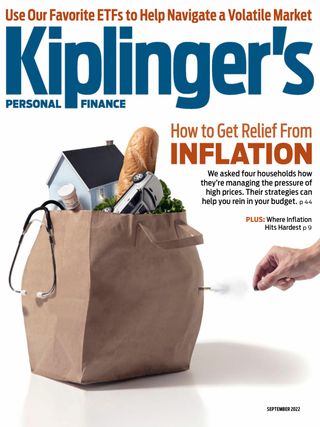

Esta historia es de la edición September 2022 de Kiplinger's Personal Finance.
Suscríbete a Magzter GOLD para acceder a miles de historias premium seleccionadas y a más de 9000 revistas y periódicos.
¿Ya eres suscriptor? Iniciar sesión
MÁS HISTORIAS DE Kiplinger's Personal Finance

Kiplinger's Personal Finance
IS MONEY MAKING YOU SICK?
Research reveals a strong link between financial well-being and physical and mental health—and what you can do to keep all three in top shape.

12 mins
June 2026

Kiplinger's Personal Finance
THE BEST SMART DEVICES FOR YOUR HOME
These gadgets add comfort and convenience to your living space- and some can even save you money.
5 mins
June 2026

Kiplinger's Personal Finance
Managing the High Cost of Mental Health Care
Cases of anxiety, depression and other conditions are rising, and so is the price of treatment. These strategies can help you get care you can afford.
9 mins
June 2026

Kiplinger's Personal Finance
What This Year's Biggest Medicare Changes Mean for You
Some drug prices are falling, other costs are climbing, and new rules abound. Here's what you need to know.
5 mins
June 2026

Kiplinger's Personal Finance
THE LOWDOWN ON SMARTPHONE INSURANCE
A protection plan can provide peace of mind but may not be worth the cost.
2 mins
June 2026

Kiplinger's Personal Finance
READERS' CHOICE AWARDS 2026
We asked readers to evaluate brokers, wealth managers, credit cards, insurance companies and other financial providers. These are the products and services that stand out from the crowd.
6 mins
June 2026

Kiplinger's Personal Finance
WHERE TO FIND TOP YIELDS
Interest rates are rising along with geopolitical tensions. Pocket yields as high as 13%, depending on your tolerance for risk.
19 mins
June 2026

Kiplinger's Personal Finance
HOW TO HANDLE LOVE AND MONEY THE SECOND TIME AROUND
The financial stakes are higher and the potential pitfalls more plentiful when you say “I do-again.”
10 mins
June 2026

Kiplinger's Personal Finance
A SHIFT AWAY FROM HIGH-TAX STATES
The IRS has released new data on how taxpayers are migrating throughout the U.S., and it reveals a clear pattern: Billions of dollars in income are flowing out of high-tax states and into areas where taxes, and often overall living costs, are lower.
2 mins
June 2026
Kiplinger's Personal Finance
FIGHTING BACK AGAINST INFLATION
INFLATION seems to be going from pesky to pernicious.
1 mins
June 2026
Translate
Change font size