Try GOLD - Free
Have nations always used sport to launder their reputations?
BBC History UK
|October 2023
As countries with questionable human rights records buy overseas teams and vie to host global tournaments, MATT MCDOWELL speaks to Matt Elton about the rise of 'sportswashing' - and whether sport and power have always gone hand in hand

Matt Elton: The term ‘sportswashing’ has been in the headlines a lot recently. What does it mean?
Matt McDowell: The aims of sportswashing are similar to those of propaganda, public relations and soft power – to launder the reputations of nations, institutions or organisations deemed to have liabilities in terms of human rights, free speech, lack of electoral processes and so on.
Certain nations tend to be accused by western commentators of sportswashing, such as Qatar, Saudi Arabia and the United Arab Emirates. Qatar, which famously hosted the 2022 Fifa men’s World Cup, has been heavily criticised for its labour rights, LGBTQ [lesbian, gay, bisexual, transgender and queer] rights, and treatment of migrant workers. It’s also bought teams in other countries, such as the French football club Paris Saint-Germain in 2011.
What Saudi Arabia is doing is a bit more ambitious. It bought Newcastle United Football Club in 2021, and last year started a golf league, LIV Golf, to rival the long-established PGA Tour; a merger between the two has since been announced. So its international influence is huge.
The fact that specific nations tend to be accused of sportswashing by the west means that we should be cautious about our use of the term. In the west’s rush to judgment of such nations, it’s possible to overlook the fact that they may genuinely be aiming to develop domestic sport in an effort to improve public health outcomes – reducing levels of obesity, for instance.
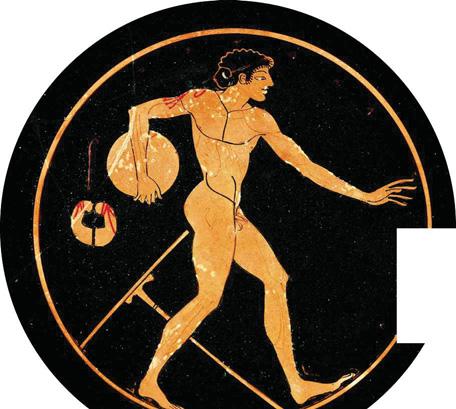
When were the first accusations of sportswashing levelled?

This story is from the October 2023 edition of BBC History UK.
Subscribe to Magzter GOLD to access thousands of curated premium stories, and 10,000+ magazines and newspapers.
Already a subscriber? Sign In
MORE STORIES FROM BBC History UK
History Extra
Going for gold
PATRICIA FARA recommends a globetrotting, time-travelling account of the roots of chemistry

2 mins
May 2026
History Extra
Viking revenge
JAMES OSBORNE indulges his love of Norse history in a role-playing game that scores high on the visuals but only skates over the underlying history
1 mins
May 2026
History Extra
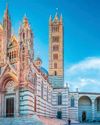
Siena in five places
One of Tuscany's most magical hilltop cities is a medieval marvel of civic pride.
3 mins
May 2026
History Extra
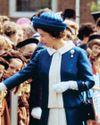
The great survivor
When Elizabeth II ascended the throne in 1952, she could barely have conceived the currents - imperial retreat, multiculturalism, de-industrialiation – that would transform the nation during her reign. On the centenary of the Queen's birth, David Cannadine explores how she navigated seven decades of dizzying change
10 mins
May 2026

History Extra
Georgian Chocolate Tart
ELEANOR BARNETT serves up a rich chocolate tart that was once fit for a recovering king
2 mins
May 2026
History Extra
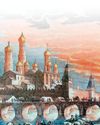
Capital ideas
A Kingdom and a Village: A One -Thousand-Year History of Moscow
1 mins
May 2026
History Extra
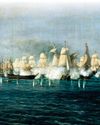
War report
SAM WILLIS enjoys a richly detailed and entertaining account of Admiral Horatio Nelson's greatest victory and its complicated aftermath
2 mins
May 2026

History Extra
The Peasants Revolt erupts
Popular anger at rising living costs shakes feudal England to its core
1 mins
May 2026
History Extra
Tales of coexistence
HEATHER J SHARKEY is impressed by a sweeping yet nuanced book challenging the idea that Jews and Muslims have been locked in a perpetual state of war
2 mins
May 2026

History Extra
"Narratives of victimhood, resistance and sacrifice are core to the Iranian regime's identity"
Revolution, repression and recurring crisis have shaped Iran's recent past – and continue to define its volatile present
10 mins
May 2026
Translate
Change font size