
Magzter GOLD ile Sınırsız Olun
Sadece 9.000'den fazla dergi, gazete ve Premium hikayeye sınırsız erişim elde edin
Denemek ALTIN - Özgür
The write stuff How human scribes are fuelling AI
The Guardian Weekly
|September 13, 2024
20,000 people work full-time to train’ models like ChatGPT. Here, a data annotator spills the beans on hisjob
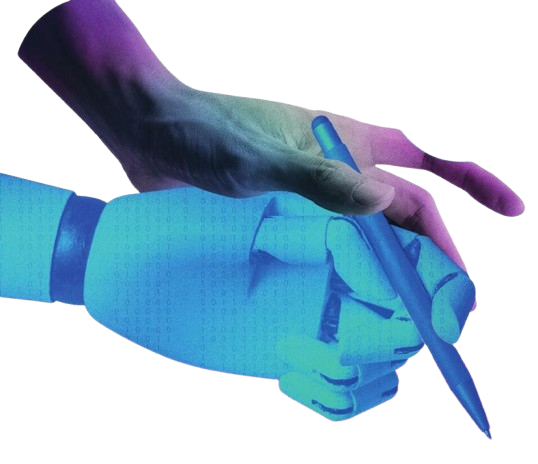
Each week, I write for a tech company worth billions of dollars. Alongside me are novelists, academics and other freelance journalists. The workload is flexible, the pay better than we are used to, and the assignments never run out. But what we write will never be read by anyone outside the company.
That's because we aren't even writing for people. We are writing for an AI.
Large language models (LLMS) such as ChatGPT have made it possible to automate huge swathes of linguistic life, from summarising any amount of text to drafting emails, essays and even entire novels. These tools appear so good at writing, they have become synonymous with the very idea of artificial intelligence.
But before they ever risk leading to a godlike superintelligence or devastating mass unemployment, they first need training. Instead of using these chatbots to automate us out of our livelihoods, tech companies are contracting us to help train their models.
The core part of the job is writing pretend responses to hypothetical chatbot questions. This is the training data the model needs to be fed. The "AI" needs an example of what "good" looks like before it can try to produce "good" writing.
As well as providing our model with such "gold standard" material, we are also helping it attempt to avoid "hallucinating" - a poetic term for telling lies. We do so by feeding it examples that use a search engine and cite sources. Without seeing writing that does this, it cannot learn to do so by itself.
Hold on. Aren't these machines trained on billions and billions of words and sentences? What would they need us fleshy scribes for?
Well, for starters, the internet is finite. And so too is the sum of every word in every book ever written. So what happens when the last pamphlet and papyrus have been digitised and the model is still not perfect? What happens when we run out of words?


Bu hikaye The Guardian Weekly dergisinin September 13, 2024 baskısından alınmıştır.
Binlerce özenle seçilmiş premium hikayeye ve 9.000'den fazla dergi ve gazeteye erişmek için Magzter GOLD'a abone olun.
Zaten abone misiniz? Oturum aç
The Guardian Weekly'den DAHA FAZLA HİKAYE
The Guardian Weekly
My boyfriend's use of AI stops him thinking for himself
My boyfriend of eight years, who is 44, has ADHD and runs his own business.

2 mins
February 27, 2026

The Guardian Weekly
'Our land lets us all breathe clean oxygen'
The Congo River basin is home to a biodiverse ecosystem-and a relentless trade in timber and charcoal
3 mins
February 27, 2026

The Guardian Weekly
Nations apart: Andrew's UK arrest highlights US passivity on Epstein files
It is a tale of two nations.
2 mins
February 27, 2026

The Guardian Weekly
Under water: Engulfed by storms, but climate denial grows
In the week between Christmas and the New Year, two Spanish men in their early 50s - friends since childhood - went to a restaurant and did not come home.
3 mins
February 27, 2026

The Guardian Weekly
The crown in court
A brief history of royal run-ins with the law
3 mins
February 27, 2026

The Guardian Weekly
Big in Beijing
James Balmont's band, Swim Deep, plays to crowds of hundreds across the UK - but in China, they play to tens of thousands. And they're not the only ones
3 mins
February 27, 2026
The Guardian Weekly
Trump's Board of Peace is serving private interests more than public good
In Gaza, aid still trickles in at levels relief agencies say are far below what is required.
2 mins
February 27, 2026

The Guardian Weekly
Needle drops Weight-loss pills are here - and big pharma stands to gain
Oral tablets could bring obesity treatment into the mainstream, with the sector predicted to be worth $200bn by the end of the decade
6 mins
February 27, 2026

The Guardian Weekly
How Italians gradually warmed to their Winter Olympics
With the atmosphere in Rome subdued as the Winter Olympics unfolded across northern Italy, travelling to the Games was not on Amity Neumeister's radar.
3 mins
February 27, 2026

The Guardian Weekly
Fire and fury
Violence erupts as security forces kill feared cartel boss.
1 min
February 27, 2026
Listen
Translate
Change font size