
استمتع بـUnlimited مع Magzter GOLD
احصل على وصول غير محدود إلى أكثر من 9000 مجلة وصحيفة وقصة مميزة مقابل
Feeding birds may kill them
February 2025
|BBC Wildlife
We love to attract birds to our gardens, but feeders can pose a deadly risk
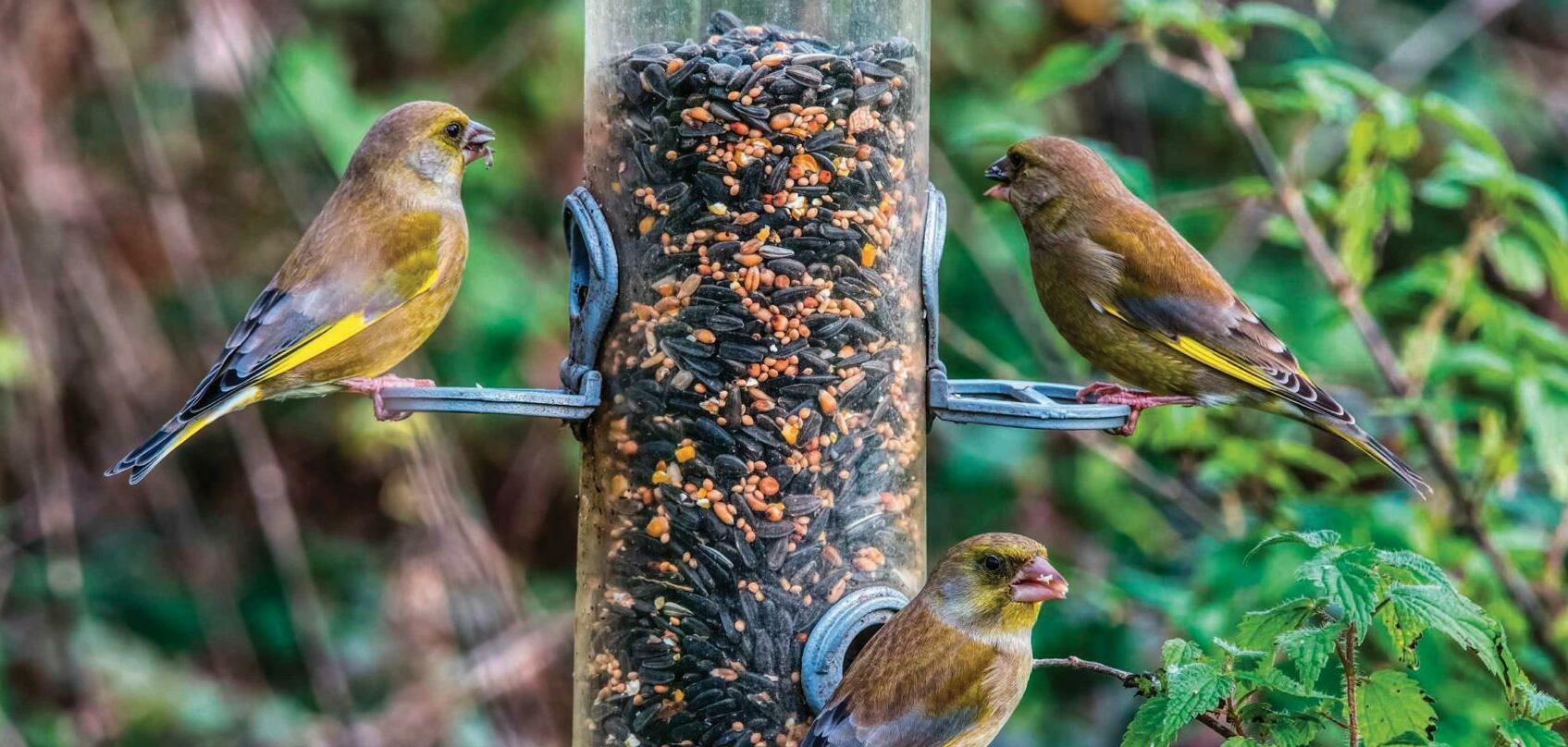
EIGHT OR SO YEARS AGO, DICK WOODS was attracting an estimated 50 greenfinches to the birdfeeders outside his converted barn near Canterbury, Kent. They vastly outnumbered the other species, and then – over a just a couple of weeks – they completely disappeared.
Woods's visitors had succumbed to a deadly disease that has killed around 70 per cent of British greenfinches: trichomonosis, a parasite that first jumped to songbirds from pigeons around 2005. It's thought to be spread mainly on and around birdfeeders, and this got Woods, who is a design engineer by trade, thinking.
The result was Finches' Friend, a redesigned birdfeeder that Woods manufactures at home and says reduces disease transmission. Trichomonosis is spread in saliva, and infected birds regurgitate their food. “You don’t want birds walking, vomiting and defecating in the food provided, so the first thing to do is stop that,” he says. That means the feeder can’t be open for birds to walk in, as in some models.
You also don’t want one bird to drop food from one feeding position onto another below, or the feeder to have open ports into which rain can pour, as the parasite survives better in wet food. Smaller feeders are better, too, because food isn’t sitting around in them for long periods. Woods has also introduced nifty features that make his design easier to clean. (In my experience, this is objectively true.)
But he can’t say for sure that his products are effective. He’s tried to persuade conservation groups such as the RSPB to carry out studies to see if they can protect finches (the group most prone to trichomonosis), but so far has been met with a metaphorical shrug of the shoulders.
As well as greenfinches, chaffinches have been hit, declining by nearly 20 per cent in the past decade, while goldfinches, in contrast, have largely gone. The other way, benefiting from supplementary food – the reasons that are still not fully understood.

هذه القصة من طبعة February 2025 من BBC Wildlife.
اشترك في Magzter GOLD للوصول إلى آلاف القصص المتميزة المنسقة، وأكثر من 9000 مجلة وصحيفة.
هل أنت مشترك بالفعل؟ تسجيل الدخول
المزيد من القصص من BBC Wildlife
BBC Wildlife
"I was terrified the elephant would ram us"
African elephant in Kenya

2 mins
January 2026
BBC Wildlife
ALL YOU EVER NEEDED TO KNOW ABOUT THE Fennec fox
THE FENNEC FOX IS THE SMALLEST fox in the world, with a body length that can be as little as 24cm.
3 mins
January 2026
BBC Wildlife
INTO THE PLASTISPHERE
A unique synthetic ecosystem is evolving in our oceans – welcome to the plastisphere
7 mins
January 2026
BBC Wildlife
“More than half of all animal life exists in a parasitic relationship, and all life lives in symbiosis”
Our survival depends on species evolving to live together - but some relationships take dark turns
7 mins
January 2026
BBC Wildlife
Are animals able to dream?
SLEEP IS A MYSTERIOUS THING. FOR A long time, we weren't sure why we do it.
1 mins
January 2026
BBC Wildlife
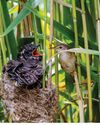
Does a cuckoo know it's a cuckoo?
ABSURD LITTLE BIRDS ACROSS THE world lay their eggs in the nests of other species, leaving the hapless parents to raise a changeling at the expense of their own offspring.
2 mins
January 2026
BBC Wildlife
Orcas killing young sharks
Juvenile great whites are easy prey for orca pod
1 mins
January 2026
BBC Wildlife
Ocean goes on tour
Acclaimed film touring the UK, backed by live orchestra and choir
1 min
January 2026
BBC Wildlife
Feisty bats hunt like lions
Winged mammals use a 'hang and wait' strategy to take down large prey
1 mins
January 2026

BBC Wildlife
SNAP-CHAT
Richard Birchett on magical merlins, wily coyotes and charging deer
2 mins
January 2026
Listen
Translate
Change font size