استمتع بـUnlimited مع Magzter GOLD
احصل على وصول غير محدود إلى أكثر من 9000 مجلة وصحيفة وقصة مميزة مقابل
يحاول ذهب - حر
How to Play a Shifting Economy
October 2022
|Kiplinger's Personal Finance
These companies stand to gain as businesses move operations closer to home and focus on productivity.

The economic banishment of all things Russian. Tariffs on Chinese imports. Pandemiccaused shortages of computer chips, bicycles, garage door parts and other imports. Brexit. Just about everywhere you turn, you can see that the tectonic plates of the global economy have stopped converging and are starting to pull apart in ways that will determine new winners and losers, says Ethan Harris, head of global economics for Bank of America Securities. "Deglobalization is a gradual process, and in the long run, very important" to investors, he says, because it will have profound impacts on corporate profitability.
Globalization refers to the increase of commerce across borders. U.S. companies prospered for decades as new markets opened for their goods and labor costs plummeted thanks to overseas production. Strategists at BofA have estimated that over the past 20 years, globalization has contributed more than half of what has been a robust expansion in profit margins. Globalization has also helped to deliver low-cost goods to American consumers.
But now, says market strategist Ed Yardeni, the pandemic and spreading political and military conflicts have stretched supply chains past the breaking point, prompting companies to bring many operations closer to home. "Deglobalization was almost inevitable," Yardeni says. U.S. companies are starting to "reshore" production back to the U.S., "near-shore" it to neighbors such as Mexico, or "friend-shore" it to allies such as Vietnam.
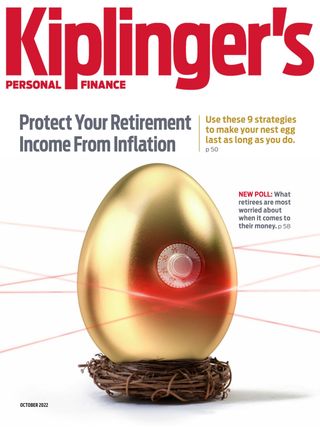

هذه القصة من طبعة October 2022 من Kiplinger's Personal Finance.
اشترك في Magzter GOLD للوصول إلى آلاف القصص المتميزة المنسقة، وأكثر من 9000 مجلة وصحيفة.
هل أنت مشترك بالفعل؟ تسجيل الدخول
المزيد من القصص من Kiplinger's Personal Finance

Kiplinger's Personal Finance
A TAX BREAK FOR MEDICAL EXPENSES
The editor of The Kiplinger Tax Letter responds to readers asking about health care write-offs.

2 mins
February 2026

Kiplinger's Personal Finance
Volunteering to Help Others at Tax Time
Through an IRS program, qualifying individuals can get free assistance with their tax returns.
2 mins
February 2026

Kiplinger's Personal Finance
CATCH-UP SAVERS FACE A TAXING 401(K) CHANGE
Under new rules, you may lose an up-front deduction but gain tax-free income once you retire.
2 mins
February 2026

Kiplinger's Personal Finance
The Case for Emerging Markets
Economic growth, earnings acceleration and bargain prices favor EM stocks.
3 mins
February 2026

Kiplinger's Personal Finance
THE NEW RULES OF RETIREMENT
Popular guidelines about how to save, invest and spend need to be updated and personalized to ensure you'll never run out of money.
15 mins
February 2026

Kiplinger's Personal Finance
Smart Ways to Share a Credit Card
Adding an authorized user has its benefits, but make sure you set the ground rules.
2 mins
February 2026
Kiplinger's Personal Finance
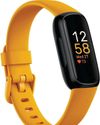
THE BEST AFFORDABLE FITNESS TRACKERS
These devices monitor your exercise, sleep patterns and more- and they don't cost an arm and a leg.
4 mins
February 2026
Kiplinger's Personal Finance
A VALUE FOCUS CLIPS RETURNS
THERE'S more to Mairs & Power Growth than its name implies. The managers favor firms with above-average earnings growth. But a durable, competitive position in their market- “a number-one or number-two position and gaining share,” says comanager Andrew Adams—and a reasonable stock price matter even more.
1 mins
February 2026

Kiplinger's Personal Finance
Look Beyond the Tech Giants
I am hooked on a podcast called Acquired, in which two smart guys do a deep analytical dive, typically lasting three or four hours, on a single successful company such as Coca-Cola or Trader Joe's. Ben Gilbert and David Rosenthal, a pair of venture capitalists, are especially adept at explaining what's behind the success of such tech giants as Alphabet (symbol GOOGL, $320), the former Google, which recently merited 11 hours and 42 minutes of dialogue all by itself.
4 mins
February 2026

Kiplinger's Personal Finance
How to Pay for Long-Term Care
A couple of months ago, I wrote that many Americans significantly underestimate how long they could live in retirement (see “Living in Retirement,” Dec.). With the possibility of a 30-year retirement becoming more common, retirees need to plan for so-called longevity risk to make sure their assets last a lifetime. And the longer you live, the more likely you'll need to pay for some form of long-term care. That can range from assistance with activities of daily living to in-home care to a nursing home stay.
2 mins
February 2026
Translate
Change font size