
استمتع بـUnlimited مع Magzter GOLD
احصل على وصول غير محدود إلى أكثر من 9000 مجلة وصحيفة وقصة مميزة مقابل
يحاول ذهب - حر
SAYING NO TO DRUGS CAN BE HARD, ESPECIALLY WHEN OUR BRAINS HAVE EVOLVED TO SAY 'WHY NOT?'
November 2023
|BBC Science Focus
The Stoptober’ push to quit smoking is useful, but we need to look at why people start... especially when it's harder drugs
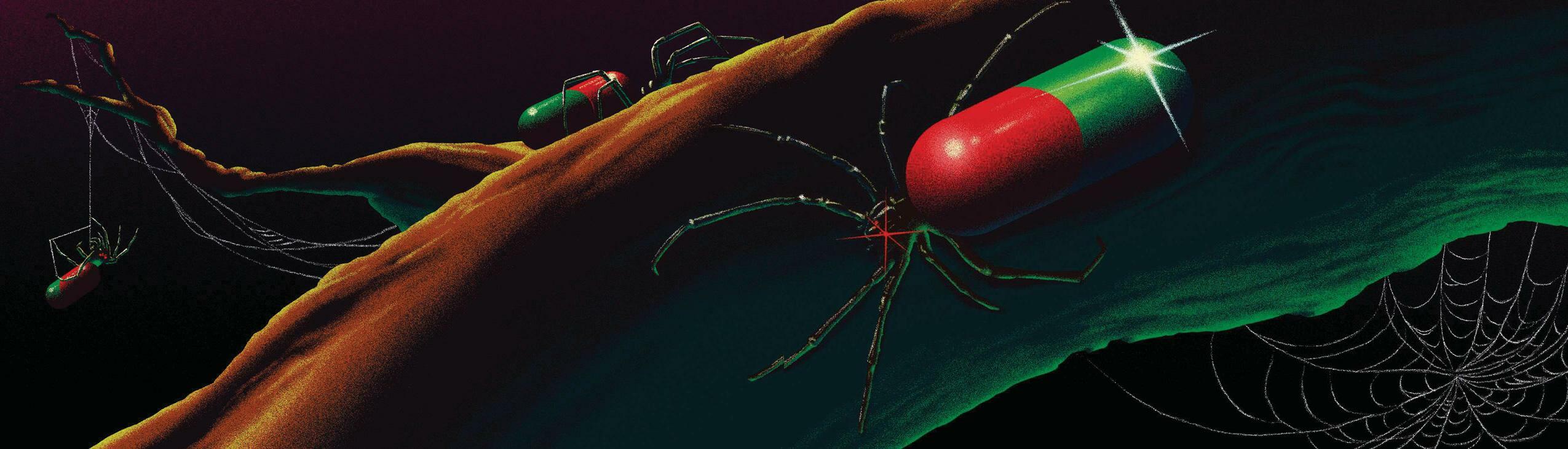
The modern world is awash with information about the dangers of so-called recreational drugs, yet drug-taking remains a problem. Why do so many people choose to put unfamiliar chemicals into their bodies, despite being told repeatedly that it's a bad idea? What compels us to take drugs at all? There are many factors to consider when answering this question, the first of which can be categorised as biological.
Staunchly anti-drug types may insist that taking drugs is unnatural. Evidence suggests otherwise, however, because it seems that taking drugs is something our brains evolved to do.
Think about it: why would chemicals completely foreign to our biology interact with our brains at all, let alone so potently? And how would our bodies know how to break them down and flush them out? This suggests that our neurology and metabolism have been encountering drugs for long enough to evolve specific biological mechanisms for dealing with them.
It's believed that our pre-human ancestors regularly ate psychotropic or 'drug'-containing plants and gained survival advantages from them (such as more energy for hunting after consuming coca-like stimulants). Hence our brains and bodies evolved to take greater advantage of them. Accordingly, modern brains respond 'enthusiastically' to drugs.


هذه القصة من طبعة November 2023 من BBC Science Focus.
اشترك في Magzter GOLD للوصول إلى آلاف القصص المتميزة المنسقة، وأكثر من 9000 مجلة وصحيفة.
هل أنت مشترك بالفعل؟ تسجيل الدخول
المزيد من القصص من BBC Science Focus

BBC Science Focus
HOW FISH COULD SAVE MILLIONS OF PEOPLE'S SIGHT
There's nowhere near enough donors to meet the demand for corneal transplants. A pioneering treatment that relies on fish scales could change that

3 mins
May 2026

BBC Science Focus
Your Wi-Fi is lying to you
Wi-Fi 7's giant speed claims might look impressive, but the realities of our homes – and the laws of physics – mean that real-world performance will never get close
6 mins
May 2026
BBC Science Focus
WHICH ANIMAL IS MOST LIKELY TO ESCAPE FROM THE ZOO?
Have you heard the one about the monkey and the Yorkshire pudding?
2 mins
May 2026

BBC Science Focus
THE BLACK SERVAL
The black serval (Leptailurus serval) is an unusual, melanistic version of the African serval, a medium-sized wild cat that's native to Africa.
2 mins
May 2026
BBC Science Focus
Cryosleep vs hibernation: What's the difference?
When hibernating animals, such as hedgehogs and dormice, disappear for winter, they don't freeze like the Siberian salamander.
1 mins
May 2026

BBC Science Focus
Space brain
The greatest names in science are often said to be 'big-brained', but this cosmic wonder puts them all to shame. Nebula PMR 1 - otherwise known as the 'Exposed Cranium' nebula for its distinctive shape - measures around 3.2 light-years across.
1 min
May 2026

BBC Science Focus
Your most draining relationships are taking years off your life, study suggests
Difficult people don't just zap your energy - they may also accelerate your biological ageing
4 mins
May 2026

BBC Science Focus
DOES EARTH HAVE A HEARTBEAT?
Move over, Ringo Starr.
1 mins
May 2026
BBC Science Focus
WEIGHT-LOSS DRUGS FOR ALL?
The obesity crisis is ruining lives and costing governments trillions. But some healthcare experts think there's now a radical solution: roll out GLP-1 jabs to everyone who needs them for free. Could it work?
9 mins
May 2026

BBC Science Focus
HOW TO SEE VENUS ON APPROACH TO JUPITER
Venus has been slowly moving away from the Sun's glare over the past few weeks, heading into the evening twilight after sunset.
1 mins
May 2026
Translate
Change font size