
Mit Magzter GOLD unbegrenztes Potenzial nutzen
Erhalten Sie unbegrenzten Zugriff auf über 9.000 Zeitschriften, Zeitungen und Premium-Artikel für nur
Versuchen GOLD - Frei
Antimicrobial Resistance In Post-Pandemic Era
Scientific India
|March - April 2022
Over the years microorganisms have developed Oresistance to antibiotics, antifungals, antivirals, antimalarials, and anthelmintics by a phenomenon known as antimicrobial resistance (AMR).

Millions of people die each year as a result of lack of comprehensive measures to combat AMR. Most patients in impoverished countries self-treat because either public hospitals are overloaded or would impose higher financial obligations, or they just want to see whether they get better. As a result, the high number of patients who seek antimicrobials directly can have a significant influence on antimicrobial usage rates and AMR development. The substantial rise in wide-ranging antibiotics use in COVID19-affected nations has put harmful microorganisms under a lot of selection pressure. As a result, in the postpandemic period, AMR will become a global epidemic in near future.
Excessive usage of disinfectants such as alcohol, quaternary ammonium compounds, phenols, hydrogen peroxide, and solvents, which triggers microbial DNA damage, has risen during COVID-19. The stimulation of translesion synthesis polymerases (TLS) by bacteria in response to DNA damage tolerates and bypasses unrepaired DNA lesions, resulting in mutations that contribute to the development of AMR. According to research, bacterial and fungal infections, some of which are resistant to antibiotics and antifungals, account for roughly half of the deaths of hospitalized COVID-19 patients. Antimicrobial-resistant diseases are most common in healthcare settings like hospitals and nursing homes, where infections can spread quickly among people with weakened immune systems. Some resistant strains viz. Klebsiella pneumonia, Pseudomonas aeruginosa, extended-spectrum beta-lactamase, MDR E. coli, Enterococcus Chlamydia pneumoniae, Mycoplasma pneumoniae, and Acinetobacter have been reported in patients with COVID-19. Additionally, due to differences in healthcare practices, antibiotic medication, and infection prevention techniques, AMR rates would be varied.
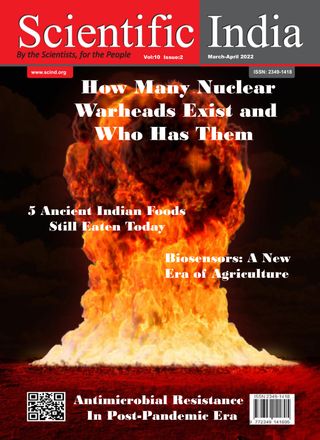

Diese Geschichte stammt aus der March - April 2022-Ausgabe von Scientific India.
Abonnieren Sie Magzter GOLD, um auf Tausende kuratierter Premium-Geschichten und über 9.000 Zeitschriften und Zeitungen zuzugreifen.
Sie sind bereits Abonnent? Anmelden
WEITERE GESCHICHTEN VON Scientific India

Scientific India
Astronomers discover dying stars eating their planets
Anew study from astronomers at UCL (University College London) and the University of Warwick suggests that aging stars may be destroying the giant planets orbiting closest to them.

1 mins
November-December 2025

Scientific India
The Gut-Brain Connection: How Our Second Brain May Hold the Key to Preventing Neurodegeneration
For decades, the prevailing narrative of neurodegenerative diseases like Alzheimer's and Parkinson's was centred around isolated confinement within the brain.
4 mins
November-December 2025

Scientific India
Active and Intelligent Bioplastic Packaging: Materials, Benefits, Applications, Challenges, and Future Prospects
Bioplastic-based active and intelligent packaging represents one of the most transformative innovations in modern food preservation.
2 mins
November-December 2025

Scientific India
Gut Microbes and Yoga: The Hidden Harmony for Healthy Aging and Well-Being
The human gut is home to trillions of microorganisms, including bacteria, viruses, fungi, and archaea. In fact, the number of microbial cells in your body might outnumber your human cells by about 10 to 1! About 70% of your immune system is located in your gut. Your gut microbes help train your immune system to differentiate between harmful invaders and harmless substances, thus playing a big role in preventing autoimmune diseases. Just like a rainforest, the gut microbiota is a diverse and complex ecosystem. A healthy gut has a balanced mix of different types of microbes, which can help prevent the overgrowth of harmful bacteria.
6 mins
November-December 2025

Scientific India
Market Trends and Future Prospects of Bioplastics in the Global Packaging Industry
Across retail shelves, e-commerce parcels, and ready-to-eat food containers, packaging is undergoing one of the most rapid material transitions of the 21st century.
5 mins
November-December 2025

Scientific India
From Waste to Harvest: The Power of Human Urine as an Eco-Friendly Fertilizer
As the global population continues to grow, so too does the demand for food.
4 mins
November-December 2025

Scientific India
Sugar-free sweeteners may still be harming your liver
Sweeteners such as aspartame, found in Equal packets, sucralose (Splenda), and sugar alcohols are widely promoted as healthier options than foods made with refined sugar (glucose).
2 mins
November-December 2025

Scientific India
Colon cancer is surging in younger adults and doctors are alarmed
Colorectal cancer has long been viewed as a condition that primarily affects older adults.
3 mins
November-December 2025

Scientific India
How Eating Your Vitamin C Builds Healthier Skin From Within
For decades, the skincare aisle has promised younger-looking skin from the outside in, with vitamin C serums occupying a prized place on the shelf.
1 mins
November-December 2025
Scientific India
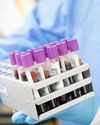
A Simple Blood Test Could Transform Alzheimer's Diagnosis
For decades, diagnosing Alzheimer's disease has relied heavily on memory tests, clinical judgment, and a long wait for symptoms to become unmistakable. Now, a groundbreaking blood test being rolled out across the UK could dramatically change that narrative bringing earlier, more accurate diagnosis within reach of routine healthcare.
2 mins
November-December 2025
Translate
Change font size