
Mit Magzter GOLD unbegrenztes Potenzial nutzen
Erhalten Sie unbegrenzten Zugriff auf über 9.000 Zeitschriften, Zeitungen und Premium-Artikel für nur
Versuchen GOLD - Frei
Metabolic Disorders in Cattle
Hobby Farms
|July - August 2024
Manage these body conditions in your herd with diagnosis, treatment and prevention.
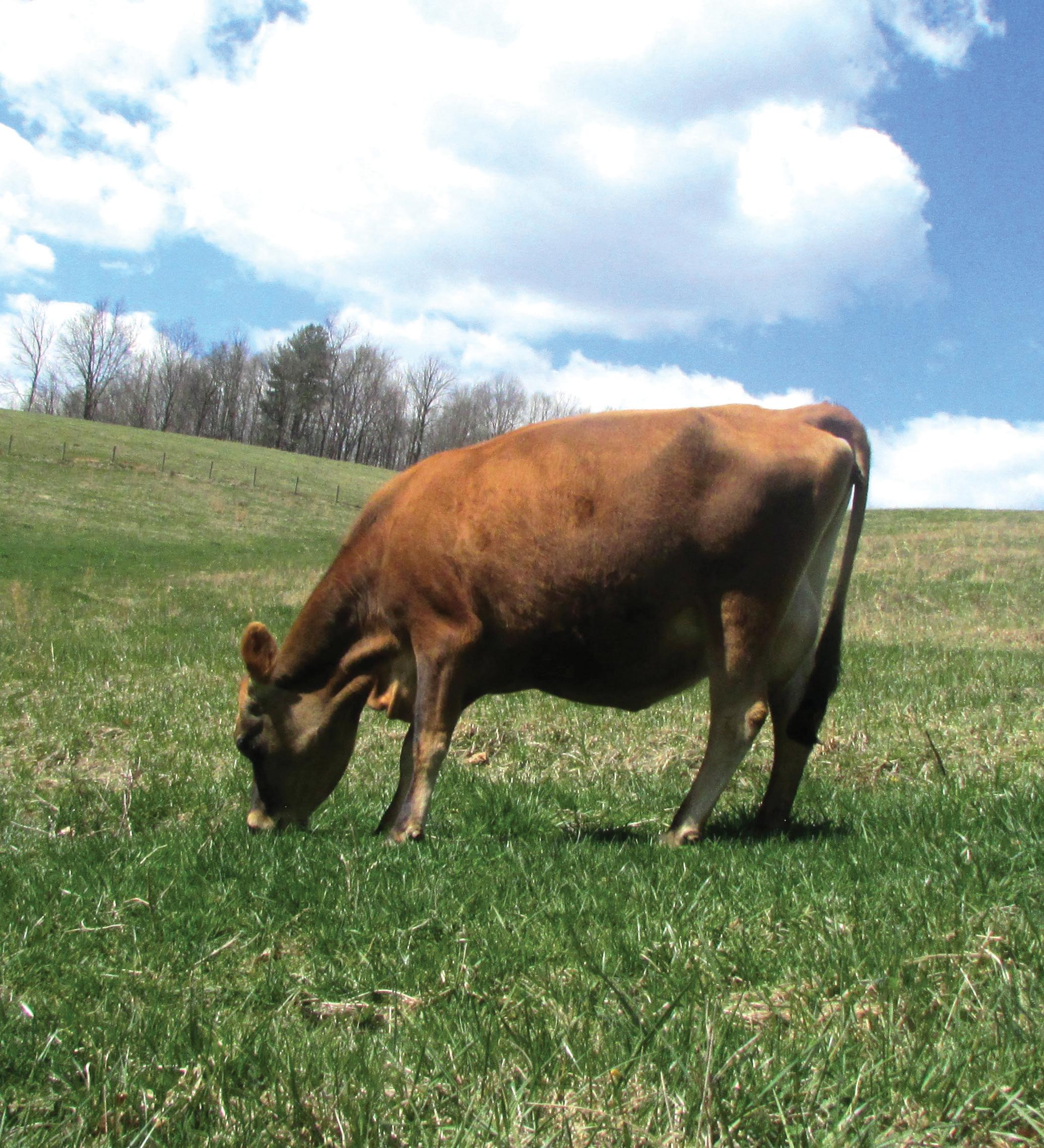
It was a terrifying experience the first time I witnessed one of my Jersey cows in the advanced stages of milk fever. That incident, however, taught me to recognize, treat and even prevent future incidents of metabolic illness within my herd. Having a basic knowledge of metabolic illnesses and being able to respond accordingly can mean the difference between life and death for affected livestock.
MILK FEVER (HYPOCALCEMIA)
Hypocalcemia is the sudden decline of calcium in the blood. It usually occurs around the time a cow begins her lactation. Despite the fact the illness is commonly referred to as “milk fever,” symptoms don’t include an elevated body temperature. Typically, the first signs of hypocalcemia are drooped ears, lethargy and cold extremities. The affected cow may also seem confused or disoriented. Muscle weakness follows, causing a cow with hypocalcemia to be unsteady on her feet.
As the illness progresses, the cow may “go down” and be unable to rise. At this stage, the cow’s neck will usually twist awkwardly to one side, and she’ll become listless and inattentive. In the advanced stages of the illness, the cow will lie flat on her side and her pulse will slow dramatically. In this position, the rumen pressing into her chest could inhibit her breathing and cause death by suffocation.
The level of treatment for milk fever corresponds with the severity of the illness. A cow that is in the early stages can often be restored to good health by administering a tube of calcium paste or a calcium bolus in two 12-hour intervals. In more serious cases, however, liquid calcium must be given subcutaneously so that it can be absorbed quickly. A cow with advanced hypocalcemia (one that is already down and unable to rise) needs to be treated intravenously.

Diese Geschichte stammt aus der July - August 2024-Ausgabe von Hobby Farms.
Abonnieren Sie Magzter GOLD, um auf Tausende kuratierter Premium-Geschichten und über 9.000 Zeitschriften und Zeitungen zuzugreifen.
Sie sind bereits Abonnent? Anmelden
WEITERE GESCHICHTEN VON Hobby Farms

Hobby Farms
IN PRAISE OF Potatoes
No ordinary garden spud, this tuber is tops for homesteaders everywhere.

7 mins
Best of Hobby Farms
Hobby Farms
JACOB SHEEP
Jacob Sheep have graced the large estates and country horns, black-and-white faces and spotted bodies no doubt contributed to their popularity and survival.
1 min
Best of Hobby Farms
Hobby Farms
BERKSHIRE HOG
Berkshire are known for their darker, exceptionally farms as they used to be, they are becoming a popular niche breed for small farmers.
1 min
Best of Hobby Farms
Hobby Farms
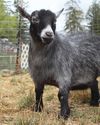
PYGMY GOAT
Not all little goats are Pygmy Goats!
1 mins
Best of Hobby Farms

Hobby Farms
High Tunnel Help
Build a high tunnel with assistance from the National Resources Conservation Service's incentive program.
8 mins
Best of Hobby Farms
Hobby Farms
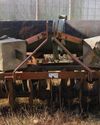
Tractor Safety
Tractor safety has come a long way through the years.
2 mins
Best of Hobby Farms
Hobby Farms
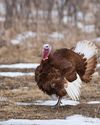
BOURBON RED TURKEY
Bourbon Red turkeys are used popular with small farms because of their ability to forage and their light-colored pinfeathers make for an attractive carcass.
1 min
Best of Hobby Farms

Hobby Farms
SAY CHEESE
KEEP 'EM COMING Upload the very best digital images of your small-farm livestock to HobbyFarms.com/say_cheese or email them directly to hobbyfarms@hobbyfarms.com, with \"Say Cheese!\" in the subject line.
1 min
Best of Hobby Farms

Hobby Farms
TRACTOR BUYER'S GUIDE
If you need a tractor, here's the best of the best.
4 mins
Best of Hobby Farms
Hobby Farms
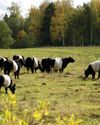
BELTED GALLOWAY CATTLE
The unique appearance of Belted Galloways inspires many questions about their origins.
1 mins
Best of Hobby Farms
Listen
Translate
Change font size