
Mit Magzter GOLD unbegrenztes Potenzial nutzen
Erhalten Sie unbegrenzten Zugriff auf über 9.000 Zeitschriften, Zeitungen und Premium-Artikel für nur
Versuchen GOLD - Frei
Climate Conviction at What Price?
Newsweek US
|June 14, 2024
Fifty years ago experts doubted Americans would pay to save the environment. Only some of their fears are still true

IN 1972, NEWSWEEK PUBLISHED A COVER story warning the world about the need to clean up the Earth. A little more than 50 years later, some of those warnings are still being issued and ignored.
When the article was first published on June 12, 1972, the environment was at the top of many Americans' minds. The Environmental Protection Agency was not yet two years old, the third Earth Day had just been celebrated, and a slew of federal policies with promises to protect the environment were beginning to take hold. What came next was decades of progress chartered by those early labors.
President Joe Biden has a lofty aspiration of reducing U.S. emissions by up to 52 percent in 2030, achieving a carbon pollution-free power sector by 2035 and a net zero emissions economy by 2050.
However, some experts argue that Biden's goals are only that-aspirational-and that more change is needed if the U.S. hopes to make a real difference.
SOUNDING THE ALARM Newsweek published an extensive report delving into the state of the environment in its issue dated June 12, 1972.
Some Prioritize Sustainability
A half-century ago, experts doubted Americans would be willing to pay more money and disrupt their lives to help save the planet, according to the 1972 Newsweek report. They also wondered if company sustainability efforts would help build brand loyalty.
"Yet even with environmentalism an established fact of American life, many experts are beginning to wonder just how far the public-not business or government is willing to go," the Newsweek report said. "For whether he likes the notion or not, the consumer will pay the lion's share of the tab for a cleaner environment, either in higher prices, higher taxes or more likely-both."
Time has shown that they needn't have worried on either front: modern Americans are more than willing to change their ways to save the environment.


Diese Geschichte stammt aus der June 14, 2024-Ausgabe von Newsweek US.
Abonnieren Sie Magzter GOLD, um auf Tausende kuratierter Premium-Geschichten und über 9.000 Zeitschriften und Zeitungen zuzugreifen.
Sie sind bereits Abonnent? Anmelden
WEITERE GESCHICHTEN VON Newsweek US
Newsweek US
Out of This World
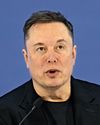
Elon Musk has made orbital computing—operating data centers in space—central to the future of artificial intelligence, arguing that the next phase of AI will move large amounts of computing infrastructure off Earth.

1 min
February 27 - March 6, 2026

Newsweek US
A WAR OF INCHES
The conflict between Kyiv and Moscow has become one of attrition, analysts say, with both sides paying a high price for small gains
7 mins
February 27 - March 6, 2026

Newsweek US
NEXT-DOOR ENABLER
How Beijing's carefully calibrated support has helped sustain Moscow as it fights Ukraine—without crossing key red lines
4 mins
February 27 - March 6, 2026

Newsweek US
Can Ken Martin Save the Democrats From Themselves?
The party may be winning special elections and polling strongly, yet members remain anxious. A year into his reign, the DNC chair is betting on organizing and infrastructure—not insiders—to turn momentum into power
16 mins
February 27 - March 6, 2026

Newsweek US
WHO WILL STRIKE GOLD AT THE ACADEMY AWARDS?
If you're looking to win your friends' pool, here are our favorites to take home the trophies
3 mins
February 27 - March 6, 2026

Newsweek US
ONE OPINION AFTER ANOTHER
Two-time Oscar winner Sean Penn has always worn his politics on his sleeve. After gaining a sixth Academy Award nomination for One Battle After Another, the actor tells Newsweek about giving his statuette to Volodymyr Zelensky, how Nicolás Maduro should be in prison and why Donald Trump won in 2024
12 mins
February 27 - March 6, 2026
Newsweek US
Out of This World
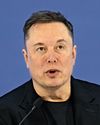
Elon Musk has made orbital computing—operating data centers in space—central to the future of artificial intelligence, arguing that the next phase of AI will move large amounts of computing infrastructure off Earth. That logic underpinned the merger of SpaceX and xAI in a $1.25 trillion deal, aligning rocket launch capacity with the future needs of AI computing.
1 min
February 27 - March 6, 2026

Newsweek US
OSCARS EMBRACE THE DARK SIDE
With record-breaking nods for Sinners, 2026 marks a shift toward horror. The Academy Awards may have finally gotten over its fear of the macabre
4 mins
February 27 - March 6, 2026

Newsweek US
LOVE IN THE LINE OF FIRE
In Ukraine's front-line city of Kramatorsk, couples separated by war risk brief reunions as Russian forces close in
8 mins
February 27 - March 6, 2026

Newsweek US
Strength in Numbers
When Japanese Prime Minister Sanae Takaichi dissolved parliament just three months into her premiership and called a snap election in January, it was widely seen as a high-risk gamble. Her Liberal Democratic Party had been weakened by scandal, coalition fractures and years of voter fatigue. A loss would almost certainly have ended her leadership. Instead, the bet produced one of the most decisive mandates in modern Japanese politics.
1 min
February 27 - March 6, 2026
Listen
Translate
Change font size