Versuchen GOLD - Frei
Europe Can Accelerate Fossil Gas Phase-Out: With Less Hydrogen than Planned
TerraGreen
|June 2023
Through structural fossil gas demand reductions in the buildings, industry and power sectors, the EU can strengthen its energy security and cut emissions by 60 per cent by 2030 and 89 per cent by 2040. Such an approach, supported by a strong policy mix, would reduce renewable hydrogen demand until 2030 by 80 per cent compared to the REPowerEU target.
-

Europe can halve its fossil gas use by 2030 and completely phase it out of the energy system by 2050 while ensuring security of supply, a new report by energy and climate think tank Agora Energiewende finds. Agora’s EU Gas Exit Pathway shows that the phaseout is possible based on structural fossil gas demand reductions without disruptive behavioural changes and while maintaining industrial production at today’s levels.
Key measures to reduce fossil gas demand include quickly ramping up renewable energy to reach 70 per cent of power generation by 2030 and 85 per cent by 2040, improving energy efficiency and electrifying process heat in the industry sector, insulating buildings as well as installing 40 million heat pumps by 2030 and 80 million by 2040.
Matthias Buck, Director Europe at Agora Energiewende said: “Europe’s legally binding climate neutrality target means no fossil fuels—including gas— in the energy system latest by midcentury. To get there, we need a smart mix of policy measures and financing instruments which will accelerate the needed home renovations, the efficiency improvements in industry and the deployment of solar and wind to power our societies.”
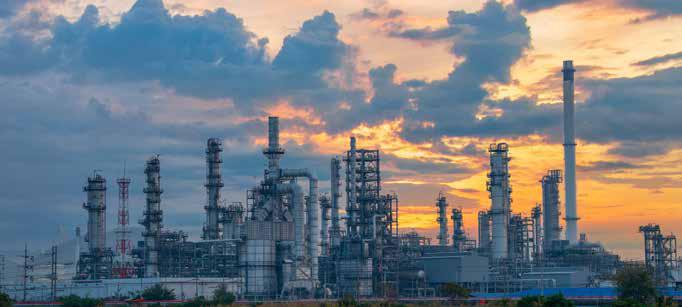
The Power Sector Reduces Fossil Gas Use the Fastest
In Agora’s EU Gas Exit Pathway, the energy sector, in particular the power sector reduces its fossil gas consumption the fastest, driven by the rapid scaling of solar and wind power. Deep geothermal and large-scale heat pumps also play a crucial role as an alternative to fossil gas in district heating networks, delivering roughly a quarter of district heat production by 2030 and half by 2040.

Diese Geschichte stammt aus der June 2023-Ausgabe von TerraGreen.
Abonnieren Sie Magzter GOLD, um auf Tausende kuratierter Premium-Geschichten und über 9.000 Zeitschriften und Zeitungen zuzugreifen.
Sie sind bereits Abonnent? Anmelden
WEITERE GESCHICHTEN VON TerraGreen

TerraGreen
Motor Efficiency
The Silent Catalyst of India's Green Industrial Revolution

4 mins
January 2026

TerraGreen
Beauty That Betrays!
The Quiet Invasion of An Ornamental Plant
3 mins
January 2026

TerraGreen
Farming Innovation Addresses Food Shortages
Also Halves Methane Emissions
4 mins
January 2026

TerraGreen
Aravalli on the Edge
Saving India's Ancient Green Shield from Collapse
3 mins
January 2026

TerraGreen
From Orchard to Table
Apple Picking, Family Time, and Fall Colours
4 mins
January 2026

TerraGreen
Coral Reefs Could Feed Millions
If We Let Them Rebuild
3 mins
January 2026

TerraGreen
Resting on Deodars
How Fallen Trees are Being Reimagined as Urban Assets in Shimla
3 mins
January 2026

TerraGreen
India's Clean-Air Innovation at Risk
Nationwide Assessment by WeNaturalists
2 mins
January 2026

TerraGreen
CNFF-25
Highlights Environmental Concern Amid India's Cultural Heritage
3 mins
January 2026

TerraGreen
Green Farming through Circular Economy
Sustainable Practices for Waste Reduction
8 mins
January 2026
Translate
Change font size