Versuchen GOLD - Frei
SEWAGE: WHY IS RAW WASTE PUMPED INTO OUR SEAS AND CAN WE FIX IT?
BBC Science Focus
|October 2022
The UK's ageing infrastructure is struggling to cope with increased rainfall and a growing population, and this means sewage is being discharged into our seas and rivers. Just when you thought it was safe to go back into the water...

Recent months have seen fresh concerns over a wave of discharges of untreated raw sewage in the UK. In early September, the Safer Seas and Rivers Service, which is run by the charity Surfers Against Sewage, issued pollution warnings for more than 100 beaches. Rising awareness of these events has led to public anger about the situation. But why is this happening now, and what can be done about it?
Unlike some other countries, which have split drainage systems for rainfall and sewage, the UK has a combined system that accepts both. It's managed by water and sewage companies, who, if all is well, biologically treat the sewage before discharging it into the environment. But under extreme circumstances, such as exceptionally high rainfall, these companies are allowed to discharge untreated sewage. This is to avoid capacity being reached and sewage coming back into people's homes and businesses, says Dr Sarah Purnell, a researcher in aquatic environment health at the University of Brighton.
The legal model works relatively well when these events happen infrequently, notes Purnell. And since the sewage is mixed with stormwater on these occasions, it should be highly diluted.
The problem is that these legal discharges are happening far more than many people realised and may be more concentrated. Michelle Walker, technical director of The Rivers Trust, says overflows of untreated sewage are being routinely used even when it hasn't been raining.


Diese Geschichte stammt aus der October 2022-Ausgabe von BBC Science Focus.
Abonnieren Sie Magzter GOLD, um auf Tausende kuratierter Premium-Geschichten und über 9.000 Zeitschriften und Zeitungen zuzugreifen.
Sie sind bereits Abonnent? Anmelden
WEITERE GESCHICHTEN VON BBC Science Focus

BBC Science Focus
HEALTH: Eating oats could lower your cholesterol in just two days
The health benefits of a two-day porridge diet lasted for weeks afterwards

1 mins
April 2026

BBC Science Focus
Most people are too sure they can identify fake human faces
Even 'super recognisers' struggle with the challenge. Can you do better?
1 min
April 2026

BBC Science Focus
WHAT'S THE WORST THING YOU CAN DO FOR THE PLANET ONLINE?
Human beings can barely move a muscle without some kind of deleterious effect on the environment around us.
2 mins
April 2026
BBC Science Focus
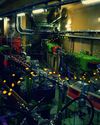
A bug in the system
The complex arrangement of equipment you see here is part of a particle accelerator.
1 min
April 2026
BBC Science Focus
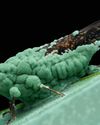
Snug as a bug in a rug
At first glance, you might feel envious of this little leafhopper, swaddled beneath the folds of what appears to be a luxurious fur blanket.
1 min
April 2026

BBC Science Focus
WHY DO WE ROOT FOR THE VILLAIN IN MOVIES?
Whether it's Darth Vader or Cruella de Vil, we all have a favourite movie villain.
1 mins
April 2026

BBC Science Focus
A TURN TO DISPERSE
Why a fart walk after dinner does more than release your gas
3 mins
April 2026

BBC Science Focus
Hatching a nebula
Welcome to the Egg Nebula, an enigmatic structure formed by ejected stardust in the Cygnus constellation around 1,000 light-years from Earth.
1 min
April 2026

BBC Science Focus
7 TIMES AI GOT IT SPECTACULARLY WRONG
For the past four years, AI has been reshaping how we work and live. But its failures are proving just as transformative as its triumphs
8 mins
April 2026
BBC Science Focus
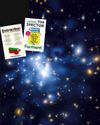
CHARLES ADCOCK, VIA EMAIL: COULD DARK MATTER BE ALL AROUND PLANET EARTH BUT UNDETECTABLE?
Astronomers have gathered overwhelming evidence that 80 per cent of all matter in the Universe is invisible.
1 min
April 2026
Translate
Change font size