Intentar ORO - Gratis
New Transport Technology - Same Old Problems?
TerraGreen
|June 2023
In this article, Jochen Schaal and Michel Rosmolen assess the impact of urban air mobility on noise propagation.
-
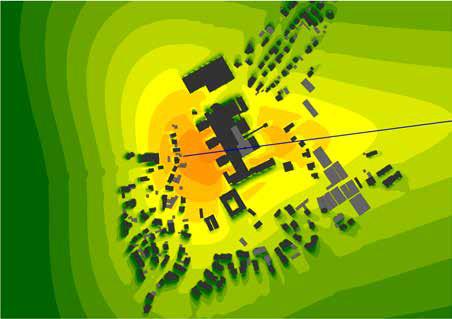
Our transport systems are rapidly changing, with urban air mobility expected to become a reality within the next 3–5 years. Drones are already in use; and industry-wide reforms and manufacturer incentives through the Government’s Production-Linked Incentive (PLI) scheme for drones and drone components aim to make India a drone hub by 2030.1
Currently, drones assist a number of sectors in India. They are, for instance, increasingly common in the farming and agriculture sector, where they are used to monitor the health of crops and spray them with fertilizer. They are also used for monitoring traffic and can aid city planning and infrastructure projects by capturing images and videos.
Another benefit is the ability to access remote places and carry items including consumer goods, post, and medical supplies. For instance, the World Economic Forum’s ‘Medicine from the sky’ initiative2 is using drones to deliver vaccines and medicine to remote areas in India.
Policy Shaping
In fact, this new advanced air mobility (AAM) sector has been developed globally, with applications being trialled and tested. This includes manned or unmanned drones and eVTOLs (electrical/ hybrid vertical take-off and landing aircraft) that can take off vertically without relying on a runway. Initially with a pilot, remote piloting or autonomous services could follow. The technology offers innovative services for passenger and goods transportation, data and image collection, and aerial works.

Esta historia es de la edición June 2023 de TerraGreen.
Suscríbete a Magzter GOLD para acceder a miles de historias premium seleccionadas y a más de 9000 revistas y periódicos.
¿Ya eres suscriptor? Iniciar sesión
MÁS HISTORIAS DE TerraGreen

TerraGreen
Motor Efficiency
The Silent Catalyst of India's Green Industrial Revolution

4 mins
January 2026

TerraGreen
Beauty That Betrays!
The Quiet Invasion of An Ornamental Plant
3 mins
January 2026
TerraGreen
Farming Innovation Addresses Food Shortages
Also Halves Methane Emissions
4 mins
January 2026

TerraGreen
Aravalli on the Edge
Saving India's Ancient Green Shield from Collapse
3 mins
January 2026

TerraGreen
From Orchard to Table
Apple Picking, Family Time, and Fall Colours
4 mins
January 2026

TerraGreen
Coral Reefs Could Feed Millions
If We Let Them Rebuild
3 mins
January 2026

TerraGreen
Resting on Deodars
How Fallen Trees are Being Reimagined as Urban Assets in Shimla
3 mins
January 2026

TerraGreen
India's Clean-Air Innovation at Risk
Nationwide Assessment by WeNaturalists
2 mins
January 2026

TerraGreen
CNFF-25
Highlights Environmental Concern Amid India's Cultural Heritage
3 mins
January 2026
TerraGreen
Green Farming through Circular Economy
Sustainable Practices for Waste Reduction
8 mins
January 2026
Translate
Change font size