
Magzter GOLDで無制限に
10,000以上の雑誌、新聞、プレミアム記事に無制限にアクセスできます。
試す 金 - 無料
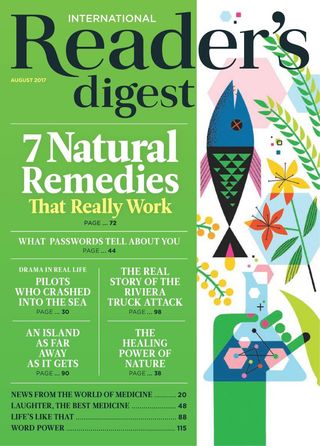
The Secret Lives Of Passwords
Reader's Digest International
|August 2017
We despise them—yet we imbue them with our hopes, dreams, and dearest memories.

HOWARD LUTNICK, the chief executive of Cantor Fitzgerald, one of the world’s largest financial-services firms, still cries when he talks about it. Not long after the planes struck the twin towers, killing 658 of his coworkers and friends, including his brother, one of the first things on Lutnick’s mind was passwords. This may seem callous, but it was not.
Like virtually everyone else, Lutnick, who had taken the morning off to escort his son, Kyle, to his first day of kindergarten, was in shock. But he was also responsible for ensuring the viability of his company and the support it provided for employees’ families. The biggest threat: No one knew the passwords for hundreds of accounts and files that were needed to get back online in time for the reopening of the bond markets. Cantor Fitzgerald did have extensive contingency plans in place, including a requirement that all employees tell their work passwords to four nearby colleagues. But now a large majority of the firm’s 960 New York employees were dead.
Hours after the attacks, Microsoft dispatched more than 30 security experts to an improvised Cantor Fitzgerald command center. Many of the missing passwords would prove to be relatively secure—the JHx6fT!9 type that the company’s IT department implored everyone to choose. To crack those, the Microsoft technicians performed “brute-force” attacks, using fast computers to begin with a, then work through every possible letter and number combination before ending at ZZZZZZZ. But even with the fastest computers, brute-force attacks, working through trillions of combinations, could take days.

このストーリーは、Reader's Digest International の August 2017 版からのものです。
Magzter GOLD を購読すると、厳選された何千ものプレミアム記事や、10,000 以上の雑誌や新聞にアクセスできます。
すでに購読者ですか? サインイン
Reader's Digest International からのその他のストーリー

Reader's Digest International
Tendinopathy Or Bursitis?
How to spot—and treat—these troublesome conditions

2 mins
November 2017

Reader's Digest International
An Evening Drive
If you could catch fatherhood in a bottle, it would be filled with moments like these
4 mins
November 2017

Reader's Digest International
Storm Trooper
The small Coast Guard outpost received an emergency call: a hurricane was raging, and a freighter with a crew of 12 was going down
12 mins
November 2017

Reader's Digest International
10 Signs That Your Husband's Past His Use-by Date
Just the two of you being together in bed made him happy.
1 mins
November 2017

Reader's Digest International
Good News
Some of the Positive Stories Coming Our Way
2 mins
November 2017

Reader's Digest International
8 Things Dermatologists Do Every Summer
Insider advice for glowing, low-cancer-risk skin.
2 mins
June 2017

Reader's Digest International
Mastering Your Metabolism
What you should know about thyroid health.
2 mins
June 2017

Reader's Digest International
Medical Mystery
Medical Mystery
3 mins
June 2017
Reader's Digest International
The Truth About Our Fish
Fish is supposed to be good for us. But is it? And can we always be sure what it is we’re eating?
7 mins
June 2017

Reader's Digest International
Greed, Guile & Lies
Some of the world’s most respected corporations have gone out of their way to deceive us. Here’s how they got caught.
10 mins
July 2017
Translate
Change font size