
Magzter GOLDで無制限に
10,000以上の雑誌、新聞、プレミアム記事に無制限にアクセスできます。
試す 金 - 無料
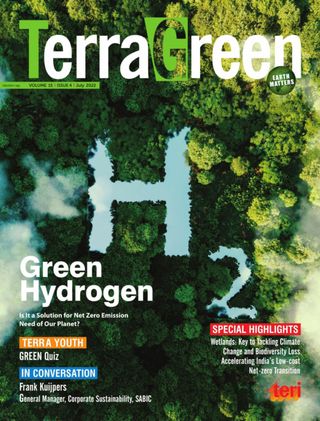
Wetlands: Key To Tackling Climate Change And Biodiversity Loss
TerraGreen
|July 2022
At the end of June 2022, we saw the breakdown of the discussions of the Open-Ended Working Group for the Post-2020 Global Biodiversity Framework (GBF), which have been tasked with advancing preparation of the GBF. Very little consensus was reached on clear, meaningful targets for protecting and restoring global biodiversity. As we approach CBD COP15 in December, during which the GBF will be finalized for the next decade, we must see a concerted increase in ambition if we are to avert catastrophic harm to nature and exponential loss of biodiversity over the coming decades. And this ambition must inspire the global community to tackle the rapid decline in wetlands. Keep reading to know more...
-

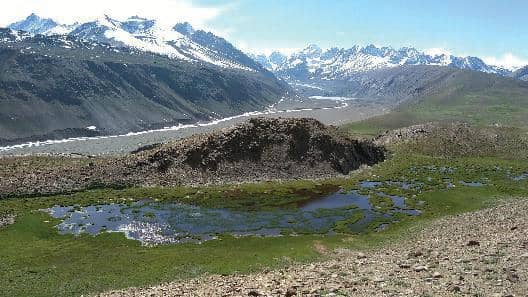
In global discussions around nature, much is made of the land-sea binary, with targets focused around one or the other. That has led many of us to question: where are wetlands in this framework? As the interface between land and water, wetlands fit comfortably into neither category. At the same time, they are crucial ecosystems for life on this planet, supporting a staggering proportion of global biodiversity, and giving security to over one billion people.

Wetlands are not just habitats, they are biomes. Despite this, the current iteration of the GBF fails to mention wetlands in the main text, and contains no explicit targets on their management or restoration.

このストーリーは、TerraGreen の July 2022 版からのものです。
Magzter GOLD を購読すると、厳選された何千ものプレミアム記事や、10,000 以上の雑誌や新聞にアクセスできます。
すでに購読者ですか? サインイン
TerraGreen からのその他のストーリー

TerraGreen
Motor Efficiency
The Silent Catalyst of India's Green Industrial Revolution

4 mins
January 2026

TerraGreen
Beauty That Betrays!
The Quiet Invasion of An Ornamental Plant
3 mins
January 2026
TerraGreen
Farming Innovation Addresses Food Shortages
Also Halves Methane Emissions
4 mins
January 2026
TerraGreen
Aravalli on the Edge
Saving India's Ancient Green Shield from Collapse
3 mins
January 2026
TerraGreen
From Orchard to Table
Apple Picking, Family Time, and Fall Colours
4 mins
January 2026
TerraGreen
Coral Reefs Could Feed Millions
If We Let Them Rebuild
3 mins
January 2026

TerraGreen
Resting on Deodars
How Fallen Trees are Being Reimagined as Urban Assets in Shimla
3 mins
January 2026

TerraGreen
India's Clean-Air Innovation at Risk
Nationwide Assessment by WeNaturalists
2 mins
January 2026

TerraGreen
CNFF-25
Highlights Environmental Concern Amid India's Cultural Heritage
3 mins
January 2026
TerraGreen
Green Farming through Circular Economy
Sustainable Practices for Waste Reduction
8 mins
January 2026
Translate
Change font size