
Magzter GOLDで無制限に
10,000以上の雑誌、新聞、プレミアム記事に無制限にアクセスできます。
試す 金 - 無料
MSMEs Need Not Use Ibc To Recover Dues
The Hindu Business Line
|September 06, 2019
Taking the route the MSMED Act provides is faster, easier and can be enforced through decree.
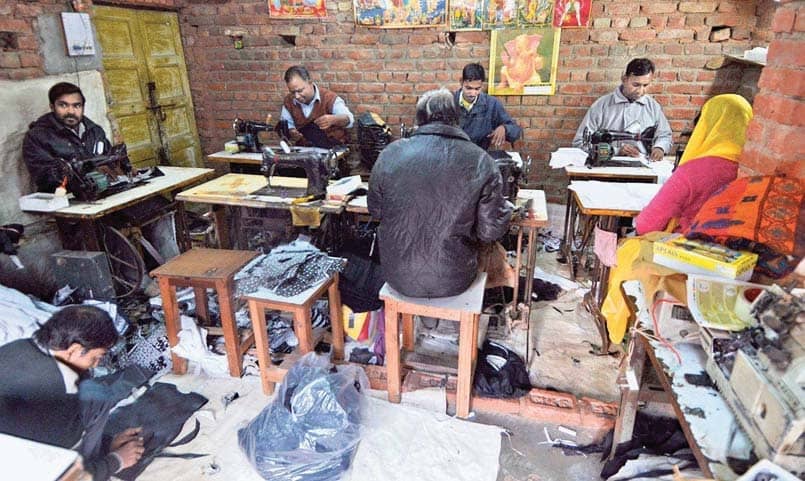
One of the most talked of laws in recent years has been the introduction of the Insolvency and Bankruptcy Code, 2016, which has given stakeholders the power to take a defaulter (company/LLP) to the National Company Law Tribunal (NCLT) by way of application to initiate Corporate Insolvency Resolution Process (CIRP).
The provisions relating to partnership firms and individuals, though part of the Code, are yet to be notified. Stakeholders, for the purposes of the Code, include financial creditors, operational creditors, employee dues, and government.
A default, subject to the condition that there is no dispute, of 1 lakh is adequate to initiate CIRP against defaulters. SMEs that have supplied goods or rendered services to the corporate debtor are classified as operational creditors under the Code.
The objective of the Code is mainly to find a resolution, as a going concern, to the problems of the defaulters and is not intended to the be used as a recovery tool. Having said that, it is not uncommon to see the Code being used to force defaulters to come to the table to start negotiations.
Once CIRP is initiated the balance in power shifts to the creditors, with promoters losing control. Yet, the IBC has not turned out to be an ideal way to recover dues. It is time this is realised.
IBC cases
Based on the information shared on the IBBI website, 2,162 defaulters have been referred to the NCLT up to June 2019 — 1,080 cases have been referred by the operational creditors (49.95 per cent), 868 by financial creditors (40.15 per cent) and 214 by the defaulters themselves (9.90 per cent).


このストーリーは、The Hindu Business Line の September 06, 2019 版からのものです。
Magzter GOLD を購読すると、厳選された何千ものプレミアム記事や、10,000 以上の雑誌や新聞にアクセスできます。
すでに購読者ですか? サインイン
Translate
Change font size