試す 金 - 無料
KEY TO CHANGE
BBC Wildlife
|November 2024
Change is afoot in Florida, as ecotourism is being made a priority

THINK OF FLORIDA AND YOU'LL LIKELY conjure up images of Miami Vice, David Beckham's football club or theme parks like Walt Disney World and Universal Studios.
But drive an hour south along US Route 1 through the Everglades National Park, and you’ll hit the Florida Keys, an archipelago of tropical islands that stretches nearly 200km towards Cuba, forming a barrier between the Gulf of Mexico and the Atlantic Ocean. They are, in essence, parts of an ancient coral reef exposed when sea levels receded, and are today home to some 80,000 people.
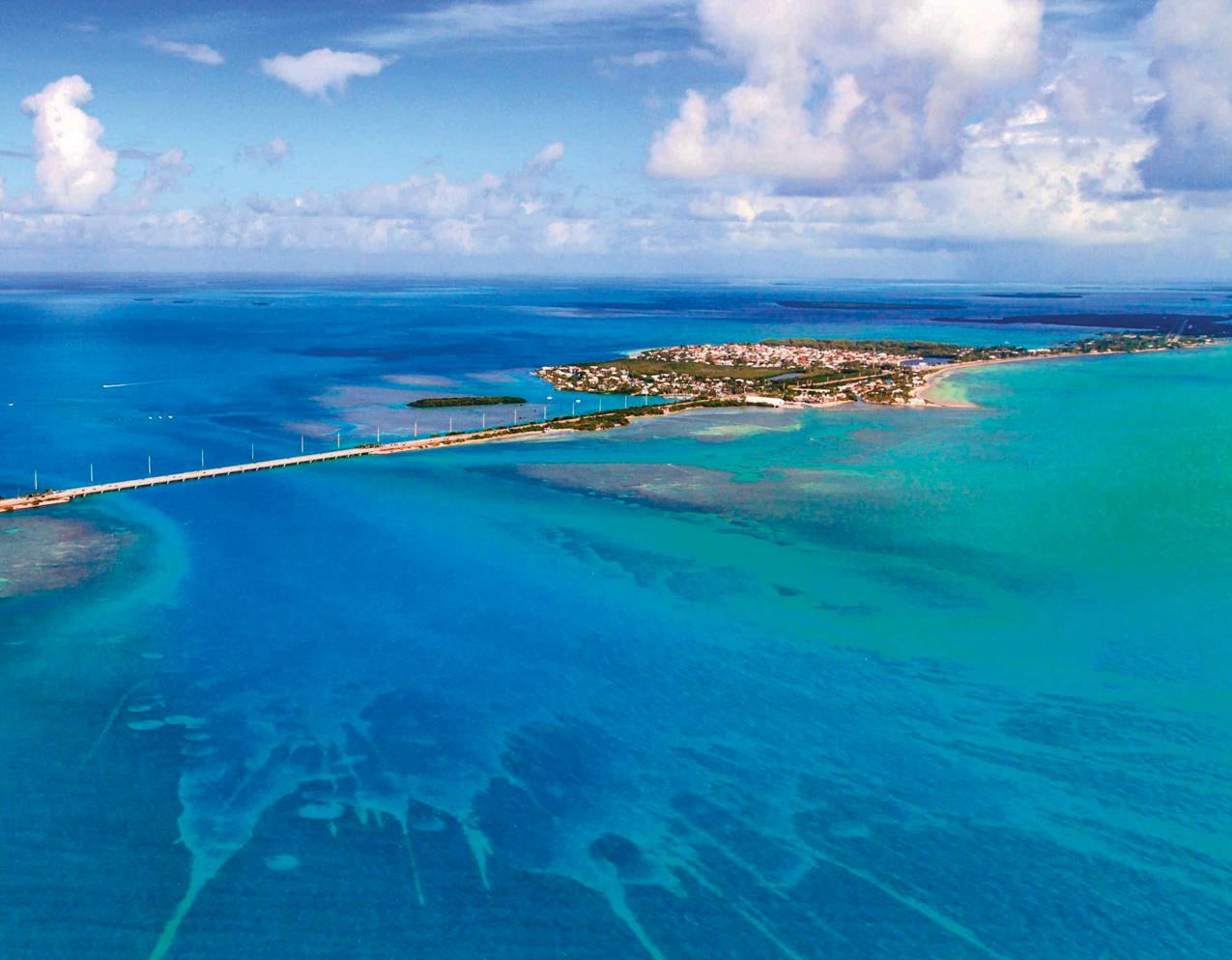 The third-largest barrier reef in the world has become intricately intertwined with the locals’ way of life. As well as the commercial and recreational fishing industries that rely on it, the abundance of tropical marine life that lives there is key to the tourism industry. And for the people who call the Keys home, the reef provides the first line of defence against fierce storms.
 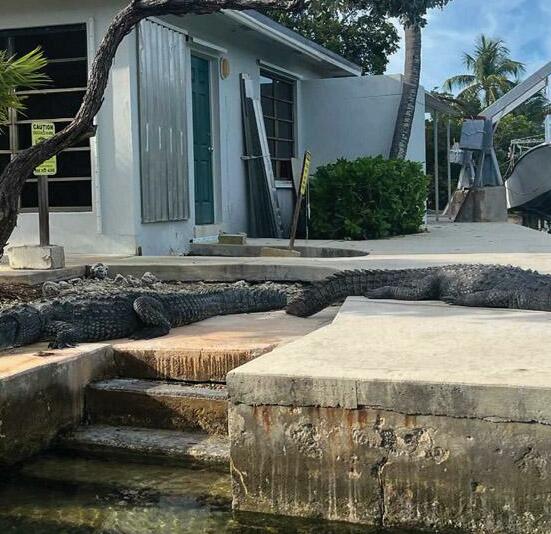 To the locals, the reef’s survival is interwoven with their own. They are witness to a world-changing on their very doorstep, recalling in shocked tones the damage to the reef in recent summers. It is painfully obvious that something has to be done, which is what’s behind the Florida Keys Tourism Council’s new Eco-Experience Trail.
 Carol Shaughnessy is a PR representative for the council and a long-time local resident. We chat over coffee on the waterfront of a luxurious colonial-style resort, a fitting location to discuss the delicate balance between indulgence and sustainable tourism.

このストーリーは、BBC Wildlife の November 2024 版からのものです。
Magzter GOLD を購読すると、厳選された何千ものプレミアム記事や、10,000 以上の雑誌や新聞にアクセスできます。
すでに購読者ですか? サインイン
BBC Wildlife からのその他のストーリー
BBC Wildlife
“Our canoe was nearly sunk by a hippo”
Hippos in Niger

3 mins
March 2026

BBC Wildlife
Why does Australia have such weird animals?
AUSTRALIA IS A LONG WAY FROM anywhere and has been for a very long time. The landmass definitively separated from the supercontinent of Gondwana around 40 million years ago and, since then, has existed - as a big blob in the middle of an even bigger ocean - in glorious geographical isolation.
2 mins
March 2026
BBC Wildlife
Which country has the fewest native animals?
AT AROUND 61KM² SAN MARINO, IN Europe, is one of the world's smallest countries. Entirely landlocked, it is surrounded by Italy.
1 min
March 2026

BBC Wildlife
Why do some species sunbathe?
RING-TAILED LEMURS ARE FAMED FOR their 'sun-worshipping' posture, legs and arms outstretched to reveal their pale bellies. Like humans, they do it to save energy and boost health. Sunlight is necessary to many bodily processes. As a source of vitamin D it's required to maintain bone and muscle health. It is also related to the production of serotonin, the chemical that regulates mood, sleep and stress response.
1 mins
March 2026
BBC Wildlife
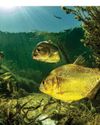
ALL YOU EVER NEEDED TO KNOW ABOUT THE Piranha
PIRANHAS HAVE A REPUTATION as some of the most dangerous freshwater hunters: terrifying predators capable of devouring a large mammal in mere minutes.
3 mins
March 2026
BBC Wildlife
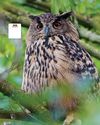
EAGLES LANDING
Eagle owls were once heavily persecuted. But thanks to a new initiative, these magnificent birds are reclaiming a wetland home
7 mins
March 2026
BBC Wildlife
Do wild guinea pigs exist?
GUINEA PIGS, WHICH ARE NOT pigs and not from Guinea, are domesticated rodents that do not exist in the wild.
1 min
March 2026
BBC Wildlife
SNAP-CHAT: THE INSIDE WORLD OF WILDLIFE PHOTOGRAPHY
Boris Belchev on birds, batteries and battling bears with pop music
3 mins
March 2026
BBC Wildlife
Does anything live in the Bermuda Triangle?
THE BERMUDA TRIANGLE, IN THE NORTH Atlantic Ocean, has become infamous for the planes and ships that are said to have vanished without a trace while travelling through the area.
1 min
March 2026
BBC Wildlife
Do animals have different blood types?
HUMANS HAVE FOUR MAIN BLOOD GROUPS: A, B, AB and O.
1 min
March 2026
Listen
Translate
Change font size