
Magzter GOLDで無制限に
10,000以上の雑誌、新聞、プレミアム記事に無制限にアクセスできます。
On Cleaning
Heartfulness eMagazine
|March 2025
SPIRITUAL PRACTICES AND ATTITUDES FOR MODERN LIVING
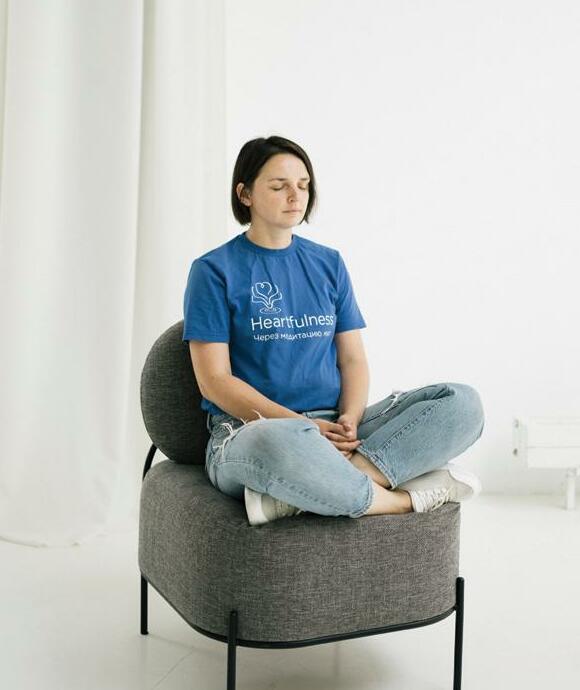
In the third episode of the series, DAAJI answers some of the most common questions he receives about the Heartfulness practice of Cleaning.
"We are programmed based upon our past impressions such that all kinds of things can cause us to open and close. If you pay attention, you will see it happen regularly throughout each day.” —Michael Singer
I will start by sharing the results of a popular study done in 1954 and published in the Journal of Psychopathology and Clinical Science: The football fans of Dartmouth and Princeton were given a questionnaire after they watched a recording of a particularly rough game between their teams, as the researchers wanted to understand what the fans thought happened in the game. The results were so variable that the “game” was many different games. The fans had different versions of events, and each version was just as real to each person. Each fan had their own version of reality.
Since then, a large body of research has shown that we see the world through our own filters. Our attitudes, beliefs, and biases define our perception. All of us have this kind of conditioning. We have many blind spots, which stem from our likes and dislikes. They may seem harmless, but our likes and dislikes hijack our awareness. Most of the chatter going on in our minds is because of the constant stream of likes and dislikes.
Next time you are in a busy place, like a restaurant, a crowded street, or an airplane, try this experiment. Watch your thoughts as you observe people boarding the flight. Listen to the chatter of likes and dislikes as you observe their looks, what they wear, what they carry, how they talk, how they stow away their luggage, and so on. Most of us are unconsciously judging ourselves and others. With the Cleaning practice, we can move from judgment to acceptance to compassion to love.

このストーリーは、Heartfulness eMagazine の March 2025 版からのものです。
Magzter GOLD を購読すると、厳選された何千ものプレミアム記事や、10,000 以上の雑誌や新聞にアクセスできます。
すでに購読者ですか? サインイン
Heartfulness eMagazine からのその他のストーリー

Heartfulness eMagazine
A Touch of Heaven
Irish singer and teacher, EILISH BUTLER, combines the mystical chant of Saint Hildegard von Bingen (1098-1176) with the evolutionary path of Uncovering the Voice, satisfying her passion for mystical spirituality and music.

2 mins
November 2025

Heartfulness eMagazine
FROM INNER STILLNESS TO OUTER AGENCY:
How Heartfulness Builds an Internal Locus of Control and Workplace Success
3 mins
November 2025

Heartfulness eMagazine
Virtual Intelligence
Author and cultural commentator CHARLES EISENSTEIN extends last month's argument about virtual substitutes hollowing out reality-this time to Al's imitation of intimacy-and points to what only embodied relationships can restore.
10 mins
November 2025

Heartfulness eMagazine
Grace Is the Creative Spark
Do you sometimes feel that life is blessed and things are unfolding effortlessly, without force or struggle? Some people say it is because of “grace” or “God’s grace.
5 mins
November 2025

Heartfulness eMagazine
Zuri's Guiding Light
A luminous fable from LIAA KUMAR on self-trust, belonging, and inner guidance.
3 mins
November 2025

Heartfulness eMagazine
I AM
In a quiet meditation on desire, stillness, and the witnessing Self, JARNA KHIMANI traces the shift from seeking to being.
3 mins
November 2025

Heartfulness eMagazine
Courage: From Relief to Presence
JASON NUTTING on why relief is temporary-and how courage, rooted in the heart, endures.
3 mins
November 2025

Heartfulness eMagazine
Embracing The Value Within
DR. ROXANNE M. ST. CLAIR on seeing the value in you—and in others—and making it a daily practice.
4 mins
November 2025
Heartfulness eMagazine
Gratitude's Gift
A Creston woman recently recounted her experience in a checkout line.
2 mins
November 2025

Heartfulness eMagazine
HAPPINESS and Gut Health
Q: How does gut health influence mental well-being, and can practices like meditation actively support a healthier digestive system? The gut is often called the second brain because it has over 500 million neurons that constantly talk to the brain through the vagus nerve.
2 mins
November 2025
Listen
Translate
Change font size