Prøve GULL - Gratis
The Abortion Doctor and His Accuser
The Atlantic
|March 2020
When a reproductive- rights activist accused one of the most respected physicians in the movement of sexually assaulting her, everyone quickly took sides. The divide exposed differences among women that are typically expressed only in private.

On a 92-degree morning in September, three clinic escorts gathered in the meager shade of a tree outside the Alabama Women’s Center for Reproductive Alternatives. They arrive here at 8:30 a.m. on the dot, regular as clock- punchers, on the three days a week the Huntsville clinic is open to perform abortions. The women and girls arrive dressed for comfort in sweatpants and shower slides, carry- ing pillows from home or holding the hand of a partner or friend. The escorts, meanwhile, wear brightly colored vests and wield giant umbrellas to block the incoming patients from the sight, if not the sound, of the other group that comes here like clockwork: the protesters.
Sometimes there are as many as a dozen. This day there were four: one woman, three men, all white. Four doesn’t sound like that many until you’re downwind of them maniacally hollering: Mommy, don’t kill me! You’re lynching your black baby! They rip their arms and legs off! They suffer! They torture them!
But escorts are made of stern stuff. Josie, with her short snowwhite ponytail and T-shirt spangled with buttons (fearless flawless feminist, abortion is normal), doesn’t get paid to defend, as she puts it, “these patients, these doctors, this staff.” Nevertheless, that’s her job. Among those Josie has sworn to protect is Willie Parker, an ob-gyn who has worked here for the past several years and who, until recently, was a hero of the reproductive- rights movement.
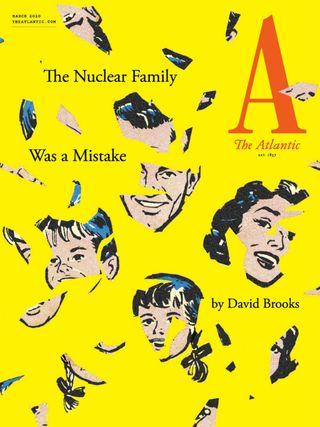

Denne historien er fra March 2020-utgaven av The Atlantic.
Abonner på Magzter GOLD for å få tilgang til tusenvis av kuraterte premiumhistorier og over 9000 magasiner og aviser.
Allerede abonnent? Logg på
FLERE HISTORIER FRA The Atlantic
The Atlantic
You Had to Be There
An emerging field of history asks if we can ever really understand how our forebears experienced love, anger, fear, and sorrow.

23 mins
January 2026

The Atlantic
By the Horns
The week before the biggest bullfight of her career, in Cádiz, Spain, this past July, 24-year-old Miriam Cabas posted a carefully produced video on Instagram.
1 mins
January 2026

The Atlantic
The New German War Machine
After World War II, Germany embraced pacifism as a form of atonement. Now the country is arming itself again.
18 mins
January 2026
The Atlantic
The Eloquence
The prime minister was watching a disaster movie when we found him.
4 mins
January 2026

The Atlantic
What's for Dinner, Mom?
The women who want to change the way America eats
12 mins
January 2026

The Atlantic
How Terror Works
A 1947 German novel explores the sometimes corrosive, sometimes energizing nature of fear.
8 mins
January 2026

The Atlantic
Yesterday's Idea of a Modern Man
Sam Shepard, a self-made cowboy, was also a poet of masculine angst.
7 mins
January 2026

The Atlantic
ACCOMMODATION NATION
America's colleges have an extra-time-on-tests problem.
11 mins
January 2026

The Atlantic
Respect the Drummer
A new history of rock, told through its overlooked heroes
5 mins
January 2026

The Atlantic
THE MOST POWERFUL MAN IN SCIENCE
WHY IS ROBERT F. KENNEDY JR. SO CONVINCED HE'S RIGHT?
42 mins
January 2026
Translate
Change font size