
Gå ubegrenset med Magzter GOLD
Få ubegrenset tilgang til over 9000 magasiner, aviser og premiumhistorier for bare
Do not stroke the lion
BBC Wildlife
|Spring 2023
From patting penguins to selfies with bison, are people becoming more reckless around wildlife? And is education or punishment the answer?

DO YOU SEE IT? (HE'S) PETTING it. Do you see it?" an incredulous male voice asks, as a tourist is seen opening the door of a vehicle, reaching out an arm and attempting to stroke a passing lioness.
"This is... not good." This video circulated on social media earlier this year, showing a man on safari in the Serengeti who wanted a very close encounter. The lioness shrugged him off, but it could have easily gone horribly wrong.
It's far from a one-off. I recently saw another video showing an impatient driver attempting to motor along a road where a pride of lions was resting, running over one individual's tail and causing the lion to spring up and attack the vehicle in self-defence. And yet another in which a leopard cub was allowed to almost climb into the open doors of a safari van, even though its protective mother was not far away, so a photographer could get a close-up. There are hundreds more examples of people doing brainless things around wild and dangerous animals, from taunting tigers to picking up rattlesnakes.
Idiocy around wildlife risks the safety of both people and animals. People risk being attacked, mauled and possibly killed, while animals can be harmed, removed or put down, irrespective of whether they were only defending themselves. Animal attacks can also cast a destination in a negative light, causing temporary closures or deterring visitors. All just so someone could boast that they'd stroked a lion, or captured a moment on a camera phone.
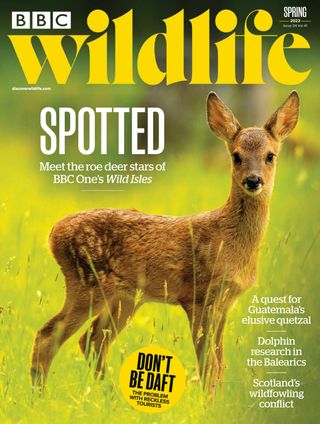

Denne historien er fra Spring 2023-utgaven av BBC Wildlife.
Abonner på Magzter GOLD for å få tilgang til tusenvis av kuraterte premiumhistorier og over 9000 magasiner og aviser.
Allerede abonnent? Logg på
FLERE HISTORIER FRA BBC Wildlife
BBC Wildlife
"I was terrified the elephant would ram us"
African elephant in Kenya

2 mins
January 2026
BBC Wildlife
ALL YOU EVER NEEDED TO KNOW ABOUT THE Fennec fox
THE FENNEC FOX IS THE SMALLEST fox in the world, with a body length that can be as little as 24cm.
3 mins
January 2026
BBC Wildlife
INTO THE PLASTISPHERE
A unique synthetic ecosystem is evolving in our oceans – welcome to the plastisphere
7 mins
January 2026
BBC Wildlife
“More than half of all animal life exists in a parasitic relationship, and all life lives in symbiosis”
Our survival depends on species evolving to live together - but some relationships take dark turns
7 mins
January 2026
BBC Wildlife
Are animals able to dream?
SLEEP IS A MYSTERIOUS THING. FOR A long time, we weren't sure why we do it.
1 mins
January 2026
BBC Wildlife
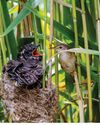
Does a cuckoo know it's a cuckoo?
ABSURD LITTLE BIRDS ACROSS THE world lay their eggs in the nests of other species, leaving the hapless parents to raise a changeling at the expense of their own offspring.
2 mins
January 2026
BBC Wildlife
Orcas killing young sharks
Juvenile great whites are easy prey for orca pod
1 mins
January 2026
BBC Wildlife
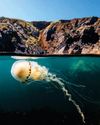
Ocean goes on tour
Acclaimed film touring the UK, backed by live orchestra and choir
1 min
January 2026
BBC Wildlife
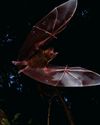
Feisty bats hunt like lions
Winged mammals use a 'hang and wait' strategy to take down large prey
1 mins
January 2026
BBC Wildlife
SNAP-CHAT
Richard Birchett on magical merlins, wily coyotes and charging deer
2 mins
January 2026
Translate
Change font size