Prøve GULL - Gratis
Big cats in BRITAIN
BBC Wildlife
|February 2025
Sightings and DNA tests suggest that large cats such as black leopards are quietly naturalising in Britain. Here’s the whole story.
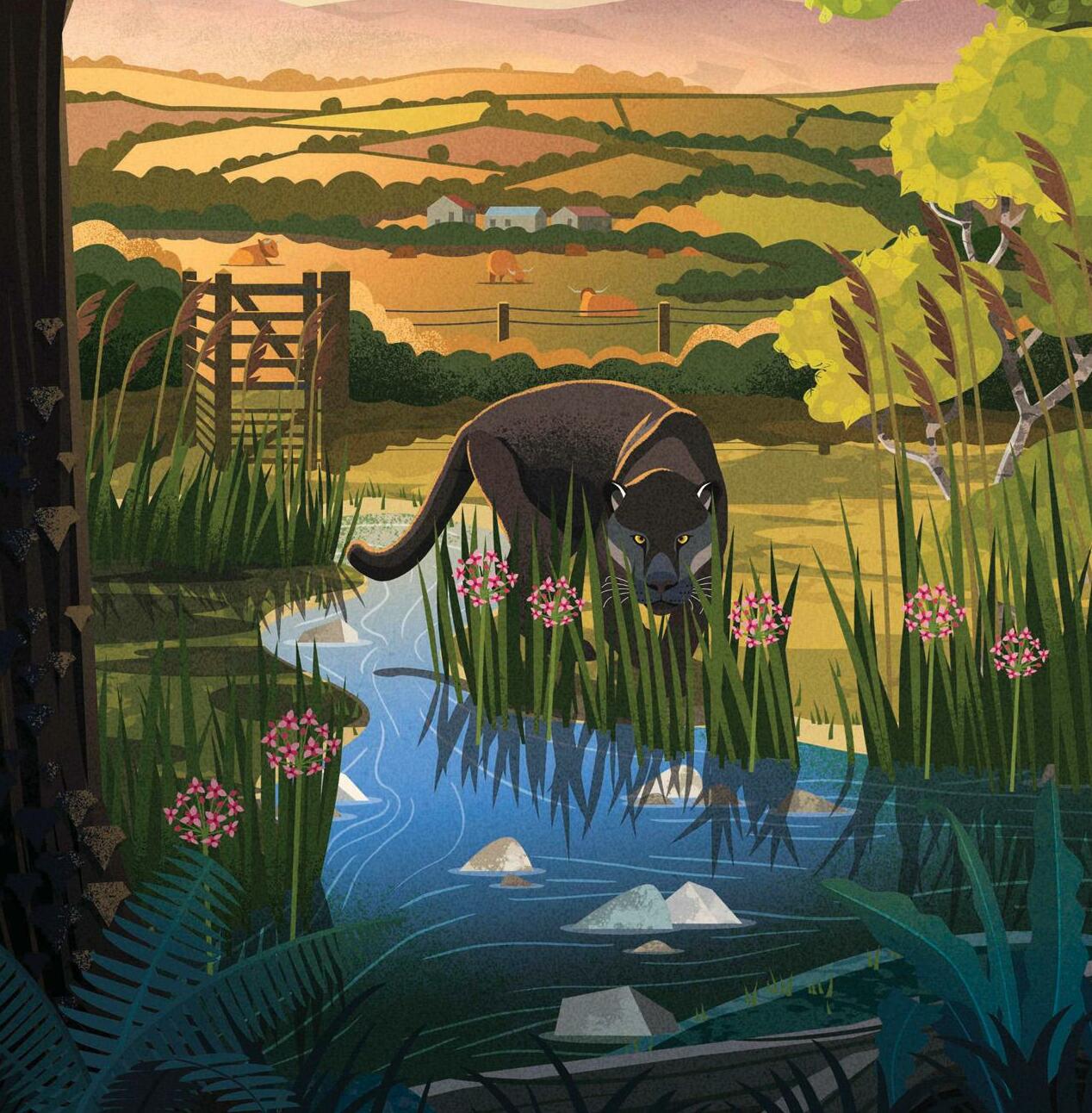
“I WAS ROLLING ON THE COMPOST heap, when I take my deer droppings,” said a groundsman, describing the giant black cat he confronted in the grounds of a care home in south-west England, back in 2012. “It jumped the fence and went like a rocket across the next field.”
A month later, the remains of a half-eaten roe deer appeared overnight, behind a hedge but closer to the property. It showed the predator’s canine impacts, sunk into the windpipe area, 4cm apart. For the next few weeks, staff on the night shift parked as close as they could to the entrance door. No one gossiped about their secret feline visitor. I was asked informally for advice, and also knew to keep it quiet.
Something lurks in the shadows of our rural idyll. Similar incidents play out in farms, stables, rural estates, golf courses, utility holdings, landfill sites and even nature reserves across the country. Large cats, mainly resembling black leopards (also known as panthers), but also sometimes mountain lions, and, very occasionally, lynx, are reported across such locations.
Of the 40 species of wild cat, these three are consistently described, year on year. But witnesses usually keep their heads down, keen to avoid a commotion or perhaps fearful of social ridicule. After all, if you claim to have seen a big cat in Britain, few people are likely to believe you.
On five occasions now, perfect footage of encounters has been shown or described to me in detail, captured on phone cameras, trail cameras and CCTV. Yet not even offers of cash would persuade these informants to part with their evidence. Privacy, shooting rights and business status are simply too much to lose.

Denne historien er fra February 2025-utgaven av BBC Wildlife.
Abonner på Magzter GOLD for å få tilgang til tusenvis av kuraterte premiumhistorier og over 9000 magasiner og aviser.
Allerede abonnent? Logg på
FLERE HISTORIER FRA BBC Wildlife

BBC Wildlife
SNAP-CHAT
Isaac Szabo talks hellbenders, chub nests and bears on the roof

3 mins
December 2025
BBC Wildlife
Why are the tropics so diverse?
AS YOU MOVE FROM THE POLES towards the equator, species richness increases.
1 mins
December 2025
BBC Wildlife
Magnificent frigatebird
ONE MIGHT BE FORGIVEN FOR thinking that pterodactyls had been de-extincted upon first sighting the silhouette of a magnificent frigatebird.
3 mins
December 2025
BBC Wildlife
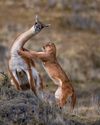
YEAR OF THE CAT
Once a phantom of Chile's windswept peaks, this plucky feline is making a comeback
3 mins
December 2025
BBC Wildlife
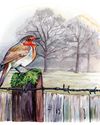
KATE BRADBURY
“I feel I am part bird at this point at the year's end: I'm ready for spring”
2 mins
December 2025
BBC Wildlife
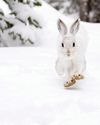
SNOW DAYS
High in the boreal forests of Colorado, the snowshoe hare lives a secretive life. But one photographer has gained a unique window into its world
3 mins
December 2025
BBC Wildlife
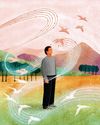
A journey into sound
Progressive hearing loss prompted a memorable quest to absorb nature's calls and choruses
7 mins
December 2025
BBC Wildlife
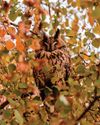
WILD IN THE CITY
A huge parliament of long-eared owls has made an unlikely home in a Serbian town square
2 mins
December 2025
BBC Wildlife
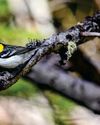
Birds follow the flames
In the Sierra Nevada of California, fire gives some birds a boost
1 mins
December 2025
BBC Wildlife
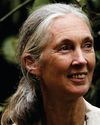
Remembering Jane
The ethologist, conservationist and humanitarian Dr Jane Goodall died in October. We reflect on the woman who gave the world hope
5 mins
December 2025
Listen
Translate
Change font size