Prøve GULL - Gratis
Spring Ephemerals to Treasure in the Garden
Garden Gate
|Issue 182 - Spring 2025
When you walk through the woods in early spring before the trees leaf out, you may be delighted to see lovely wildflowers blooming before anything else is even up and growing.
These spring ephemerals are often woodland natives. They grow under deciduous trees and take advantage of the sunshine by blooming, setting seed, and completing their life cycles before a full canopy of leaves shades the area.
Flowers are fleeting but fascinating. Bees, beetles and ants rely on them for early food, pollinating along the way. While only briefly in the garden, these short-lived flowers have a big impact while they last.
The great thing is that you can also grow these in your garden. Spring ephemerals don't need deadheading or pruning-just plant them in the ground and they'll do their thing. Mix them in beds with other perennials that cover fading foliage as they go dormant, and you won't even need to clean them up. Here are a few easy-to-grow ephemerals to welcome spring and bring life to the garden.
Shooting star
Dodecatheon meadia
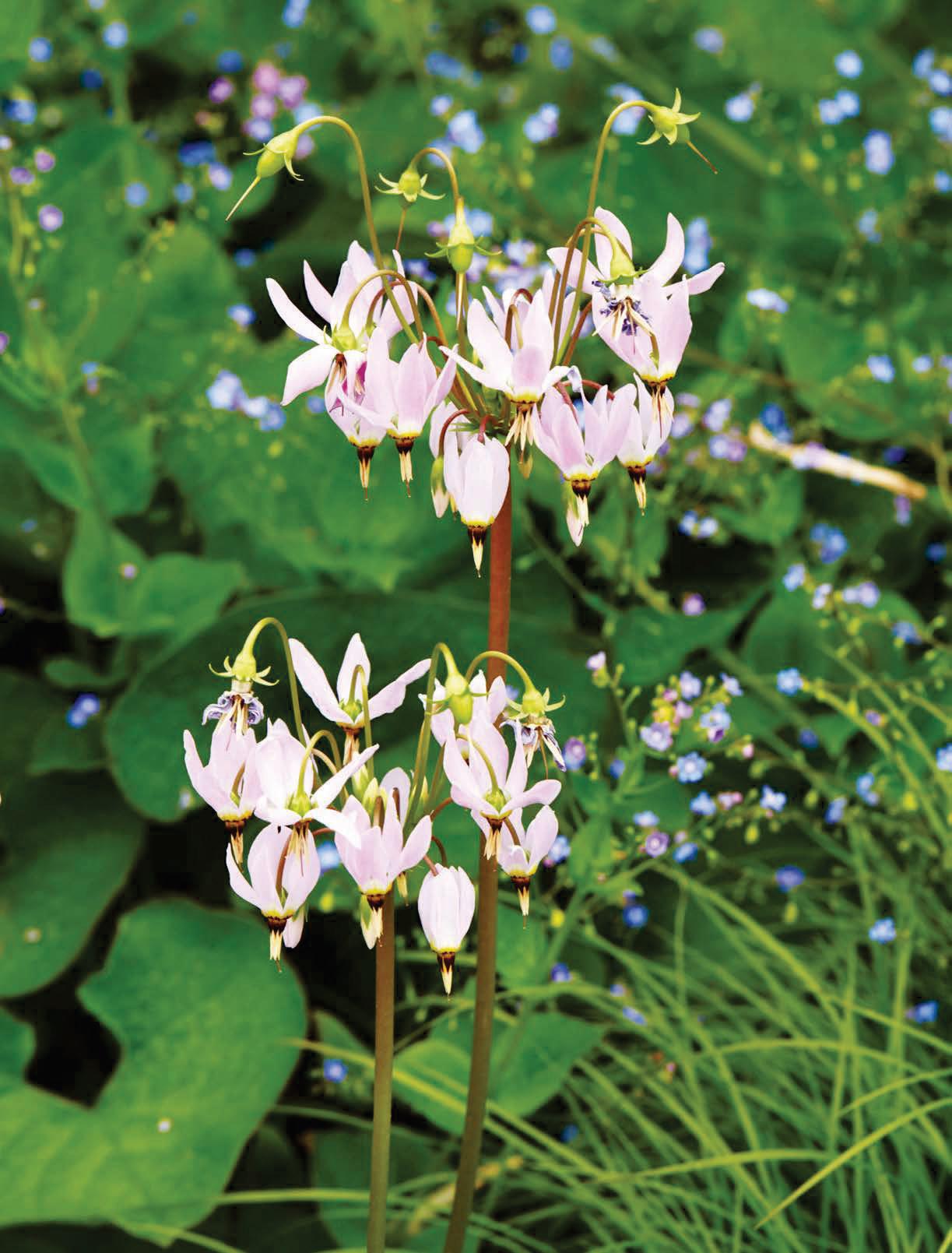
It's easy to see how shooting star got its common name the unusual flowers point to earth from the top of a long scape. Petals are turned backward like an inside-out umbrella, with pistils and anthers forming a pointed tube below. The flower has no nectar, but native bees, such as bumblebees, vibrate their bodies to shake out and collect pollen from the flower's pointed end.
Native to the eastern United States, it thrives in soil that is moist in spring but dry in summer when the plant is dormant. It looks great in the front of the border, rising from a bed of ground covers or naturalized into a woodland or meadow garden. Pair it with slower-growing perennials or grasses that will fill in the space after the shooting star dies down.
Though it will spread by seed, it takes several years before it grows to blooming size. To get more plants, divide shooting star in early fall by digging it up and splitting the crown, replanting at the same depth.

Denne historien er fra Issue 182 - Spring 2025-utgaven av Garden Gate.
Abonner på Magzter GOLD for å få tilgang til tusenvis av kuraterte premiumhistorier og over 9000 magasiner og aviser.
Allerede abonnent? Logg på
FLERE HISTORIER FRA Garden Gate
Garden Gate
THREE WATER-WISE GARDEN HACKS
The garden is the home’s largest consumer of water.

8 mins
Nature Friendly Gardening 2026
Garden Gate
Bring the Beauty of Hydrangeas Into Your Garden With This North American Native.
You needn't be a botanist nor even a studied gardener to know a hydrangea when you see it.
5 mins
Nature Friendly Gardening 2026
Garden Gate
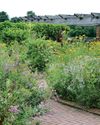
Native Prairie Plants for Any Size Garden
Long before central North America was settled and developed, large swaths of verdant prairies teeming with diverse flora and fauna thrived there.
8 mins
Nature Friendly Gardening 2026
Garden Gate
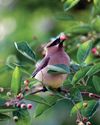
Bring in the Birds
The right native plant species can make your garden an avian haven.
7 mins
Nature Friendly Gardening 2026
Garden Gate
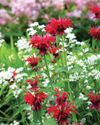
Bee Balm
Butterflies and pollinating insects can't resist this bold summer perennial.
7 mins
Nature Friendly Gardening 2026
Garden Gate
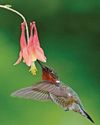
Plants for Pollinators
One of the biggest reasons for the dwindling pollinator population is habitat loss.
4 mins
Nature Friendly Gardening 2026
Garden Gate
Native Bees Find Winter Shelter in Surprising Places
As the buzz of busy bees gave way to the rustle of fallen leaves in my autumn garden, the last of the bumblebee stragglers hit up fading mountain mint blooms.
2 mins
Nature Friendly Gardening 2026
Garden Gate
Native Plants
Solve Shade Garden Challenges
6 mins
Nature Friendly Gardening 2026
Garden Gate
No-Spray Bug Solutions
Try a few of these 7 methods to deter bugs without resorting to pesticides.
5 mins
Nature Friendly Gardening 2026
Garden Gate
THE NEW NATURAL
Grow a thriving oasis filled with life.
6 mins
Nature Friendly Gardening 2026
Listen
Translate
Change font size