Prøve GULL - Gratis
The Diagnosis Trap
The Atlantic
|October 2022
Doctors have their stories to tell about mental illness. But what about the stories we tell ourselves?
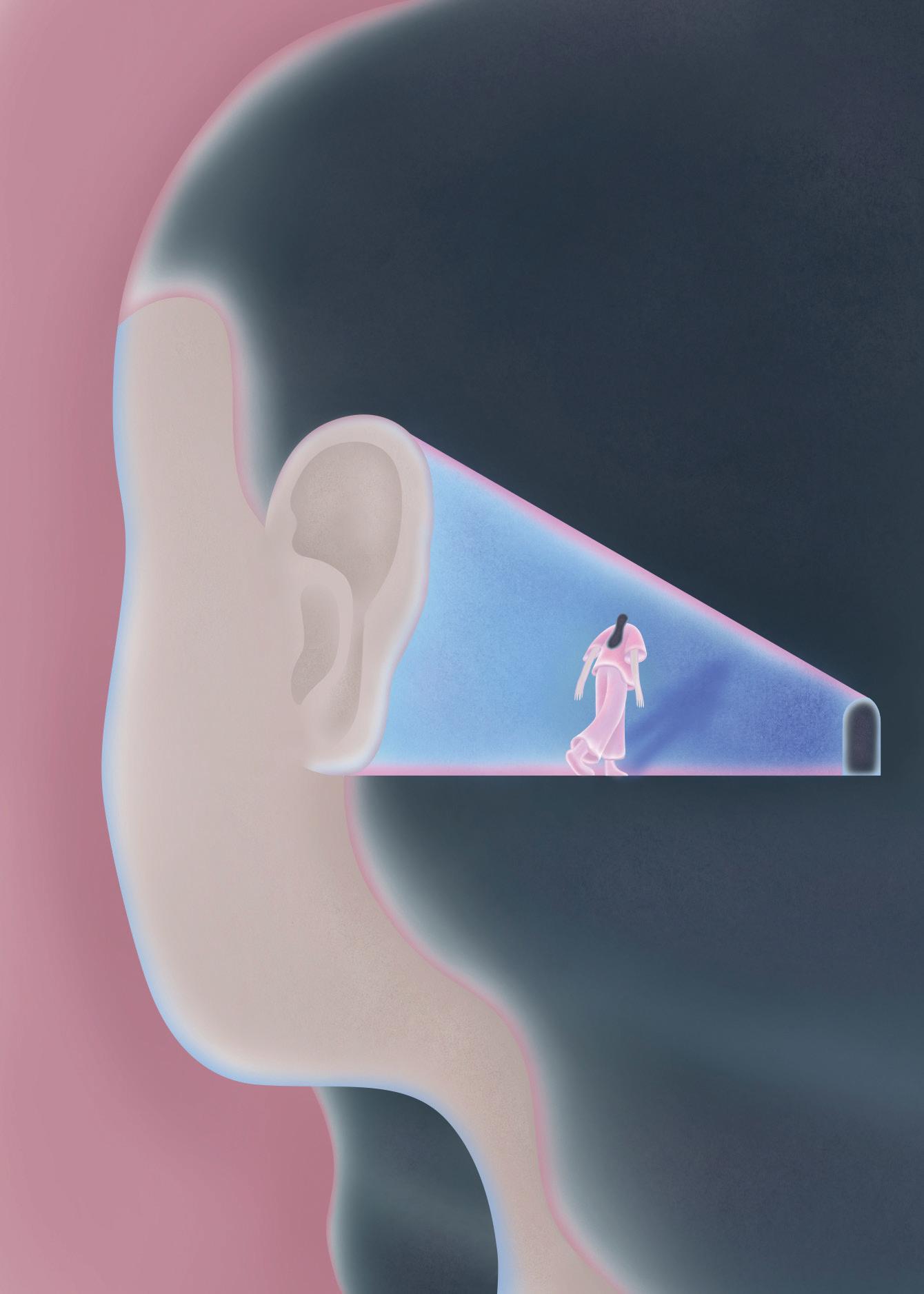
Let me explain something about me: When I was 12, I started having panic attacks, brought on by fears that I couldn't shake, even though I knew they were irrational. I was terrified, for example, that I'd become depressed-but I'd never been depressed before, and didn't feel depressed. My junior high school devoted a series of assemblies to warning us budding teenagers that we were entering the most dangerous years of our lives, now ripe targets for cutting, suicide, eating disorders, overdoses, AIDS, and fatal car accidents. I would spend hours, even days, worrying that one of these things might be coming for me. My mind seemed to spin out of control couldn't stop fixating, I couldn't calm down, and I couldn't understand what was happening.
Finding language to describe suffering of any kind is hard, but eventually, fearing I was going irreversibly insane, I tried first for my mother, then for a doctor. Soon I was told there was a name for my particular distress: obsessive-compulsive disorder. Receiving this news at 13 was both relieving and shattering. (And surprising. There had been no assembly suggesting we watch out for anxiety disorders.) With the diagnosis came explanations and context for what I had not been able to interpret, as well as a body of scientific knowledge about treatment. Still, OCD can be an upsetting diagnosis, partly because according to current psychiatric understanding, it's a chronic illness. You don't typically get cured. You "learn to manage it" and, like most chronic conditions, it ebbs and flows based on a variety of factors. I felt horror at being indelibly marked and feared that I'd never get back to "my old self." Who was I now?

Denne historien er fra October 2022-utgaven av The Atlantic.
Abonner på Magzter GOLD for å få tilgang til tusenvis av kuraterte premiumhistorier og over 9000 magasiner og aviser.
Allerede abonnent? Logg på
FLERE HISTORIER FRA The Atlantic

The Atlantic
Deadlier Than Gettysburg
How the cruelty of the Confederacy's prison camps gave rise to the rules of war

10 mins
March 2026

The Atlantic
THE MAN WHO BROKE PHYSICS
One of the pleasures of watching Ilia Malinin, apart from his indifference to gravity, is to witness him becoming.
16 mins
March 2026

The Atlantic
How Toni Morrison Saw History
In her novels, she located the missing story of Black America.
12 mins
March 2026

The Atlantic
The Madness of Lord Tennyson
The Victorian poet was startlingly modern.
5 mins
March 2026

The Atlantic
THE PLOT AGAINST THE HUMANITIES
What is the Andrew W. Mellon Foundation doing to higher education?
22 mins
March 2026

The Atlantic
Why Do Democrats Hate Winning?
Ken Martin has one of those resting dread faces, as if he's bracing for someone to dump a bucket of rocks on his head.
37 mins
March 2026

The Atlantic
ROD DREHER'S DEMONS
HE DERIDES THE ENLIGHTENMENT, SECULARISM, AND THE MODERN WORLD. CONSERVATIVES-INCLUDING THE VICE PRESIDENT-ARE JOINING HIM ON A MARCH BACK TO THE MIDDLE AGES.
20 mins
March 2026

The Atlantic
Every Nation for Itself
President Trump wants to return to the 19th century's international order. He will leave America less prosperous—and the whole world less secure.
19 mins
March 2026

The Atlantic
The Secrets of Indigenous Art
Major exhibits are upending the way people understand Native American and Aboriginal artists.
14 mins
March 2026

The Atlantic
The Novel as Extended Op-Ed
If anyone could write good fiction about immigration, it would probably be Lionel Shriver. Instead, her latest book goes off the rails.
10 mins
March 2026
Translate
Change font size