
Gå ubegrenset med Magzter GOLD
Få ubegrenset tilgang til over 9000 magasiner, aviser og premiumhistorier for bare
Prøve GULL - Gratis
WHAT IS THE DEADLIEST CREATURE IN THE UK?
BBC Science Focus
|November 2023
Mosquitoes are infamously the world's most deadly animal, killing up to a million people every year via the diseases they spread, such as malaria and dengue fever. In the UK, however, our 36 native mosquito species pose little in the way of threat, so they don't feature in the three-way tie for the title of UK's deadliest creature.
-

One of the three that does, is dogs. Rishi Sunak, the prime minister, recently added American XL bully dogs to the list of banned breeds after a rise in dog-related deaths. Numbers were around three per year, but in 2022, 10 people in England and Wales died from dog bite injuries, the tragic result of irresponsible ownership and a trend for breeding bigger, more muscular dogs.


Denne historien er fra November 2023-utgaven av BBC Science Focus.
Abonner på Magzter GOLD for å få tilgang til tusenvis av kuraterte premiumhistorier og over 9000 magasiner og aviser.
Allerede abonnent? Logg på
FLERE HISTORIER FRA BBC Science Focus

BBC Science Focus
ARE PSYCHOPATHS REALLY THAT GOOD AT LYING?
Picture infamous psychopaths from fiction, such as the eerily cold and calculating Patrick Bateman in the film adaptation of American Psycho, and they certainly seem like master deceivers. But what about real-life psychopaths? Research confirms that psychopaths are more inclined to lie to get what they want, and that they typically display a striking fearlessness - as if they have ice running through their veins.

1 min
January 2026
BBC Science Focus
WHY DO WE HAVE TWO OF SOME ORGANS, BUT ONLY ONE OF OTHERS?
The majority of animals on Earth, humans included, are bilaterally symmetrical. It means we can be divided roughly into two mirror-image sides. Evolutionary biologists believe that it has been like that for at least 300 million years, and because life organised this way survived, so did symmetrical design. Hence, two eyes, two ears, two lungs and two kidneys.
1 min
January 2026

BBC Science Focus
WHY DO CATS PREFER TO SLEEP ON THEIR LEFT?
I've said it before, and I'll keep saying it again and again and again: who knows why cats do anything?
1 min
January 2026

BBC Science Focus
FORGET COUNTING CALORIES TRY THIS INSTEAD...
Calorie counting isn't just difficult, it's riddled with problems that make it practically useless for anyone trying to lose weight.But there are alternatives
9 mins
January 2026
BBC Science Focus
SIGNS OF LIFE
The more planets we find outside our Solar System, the better our chances are of finding life on one of them. But if there really is life out there, how do we spot it?
8 mins
January 2026
BBC Science Focus
WHAT ACTUALLY MAKES SOMEBODY COOL?
Most of us have probably wanted to be cool at some point in our lives, and these efforts can have a big influence on the things we buy, the way we dress, the hobbies we invest in, the people we look up to and even the words we use.
2 mins
January 2026

BBC Science Focus
It's TIME to WAKE UP and SMELL the roses
What if the pursuit of happiness in the traditional sense – chasing wealth or power – is the very thing stopping you from being happy? Researchers are beginning to understand that spending time enjoying the simple things might be the secret ingredient to enjoying a happy, healthy life
8 mins
January 2026
BBC Science Focus
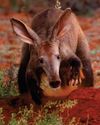
THE AARDVARK
In a time when people are being asked to consider eating insects, we should, perhaps, learn a thing or two from the aardvark (Orycteropus afer), Africa’s ant-guzzling gourmand. On an average night, the big-schnozzed mammal devours up to 50,000 of the crunchy critters.
2 mins
January 2026

BBC Science Focus
ADD WEIGHT TO LOSE WEIGHT
A very basic kind of wearable could make your New-Year-weight-loss plans stick
3 mins
January 2026

BBC Science Focus
AHEAD OF THEIR TIME
The Maya civilisation is known for its art and architecture.
8 mins
January 2026
Translate
Change font size