Denemek ALTIN - Özgür
DISTURBANCE IN THE DEEP
BBC Wildlife
|Spring 2021
With land resources rapidly depleting, eyes are turning to the seabed as a whole new source of metals. But at what cost to marine wildlife?
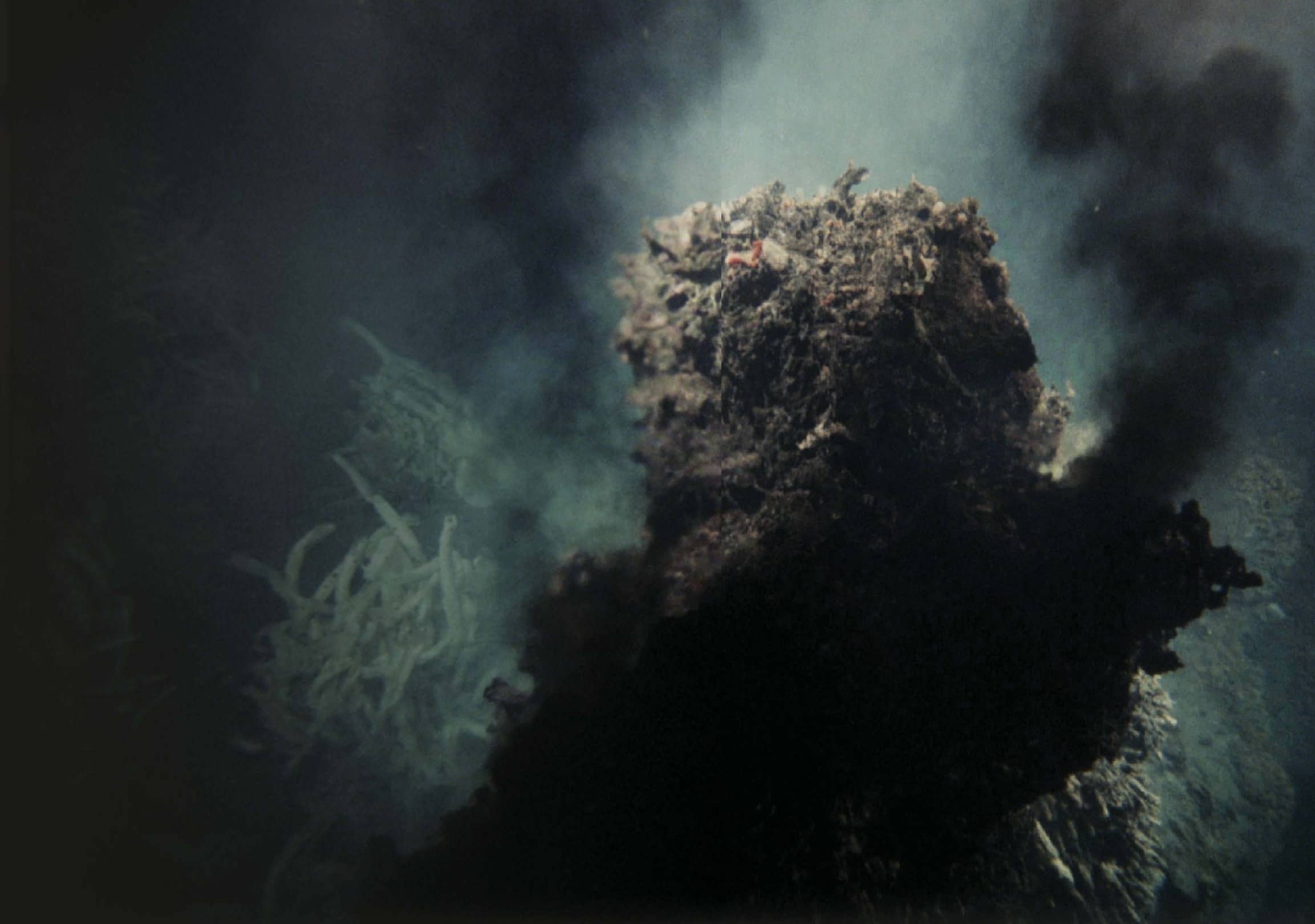
Giant, electric mining machines, thundering across the deep seabed miles under water, may seem the stuff of science fiction – like the idea of mining asteroids, or the moon – but they could soon become a reality. Plans paving the way towards the first deep-sea mines were delayed by the pandemic but are likely to move ahead in 2021. If they do, this could give the green light to a brand-new way for humans to exploit the planet’s resources.
Interest in deep-sea mining began in the late 1960s, when corporations explored the possibilities of gathering metal-rich rocks scattered across abyssal plains. Resembling lumps of coal, these nodules take millions of years to form as dissolved minerals in seawater settle onto a hard nucleus, such as a fragment of ancient shark tooth or whale ear bone. The mix of metals usually includes about one-third manganese, plus smaller amounts of cobalt, nickel and rare-earth metals. Several tonnes of nodules were brought up in the 1970s, demonstrating that the industry was technically possible. Nevertheless, following a crash in global commodity prices, the first wave of deep-sea mining didn’t take off.


Bu hikaye BBC Wildlife dergisinin Spring 2021 baskısından alınmıştır.
Binlerce özenle seçilmiş premium hikayeye ve 9.000'den fazla dergi ve gazeteye erişmek için Magzter GOLD'a abone olun.
Zaten abone misiniz? Oturum aç
BBC Wildlife'den DAHA FAZLA HİKAYE
BBC Wildlife
"I was terrified the elephant would ram us"
African elephant in Kenya

2 mins
January 2026
BBC Wildlife
ALL YOU EVER NEEDED TO KNOW ABOUT THE Fennec fox
THE FENNEC FOX IS THE SMALLEST fox in the world, with a body length that can be as little as 24cm.
3 mins
January 2026
BBC Wildlife
INTO THE PLASTISPHERE
A unique synthetic ecosystem is evolving in our oceans – welcome to the plastisphere
7 mins
January 2026
BBC Wildlife
“More than half of all animal life exists in a parasitic relationship, and all life lives in symbiosis”
Our survival depends on species evolving to live together - but some relationships take dark turns
7 mins
January 2026
BBC Wildlife
Are animals able to dream?
SLEEP IS A MYSTERIOUS THING. FOR A long time, we weren't sure why we do it.
1 mins
January 2026
BBC Wildlife
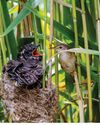
Does a cuckoo know it's a cuckoo?
ABSURD LITTLE BIRDS ACROSS THE world lay their eggs in the nests of other species, leaving the hapless parents to raise a changeling at the expense of their own offspring.
2 mins
January 2026
BBC Wildlife
Orcas killing young sharks
Juvenile great whites are easy prey for orca pod
1 mins
January 2026
BBC Wildlife
Ocean goes on tour
Acclaimed film touring the UK, backed by live orchestra and choir
1 min
January 2026
BBC Wildlife
Feisty bats hunt like lions
Winged mammals use a 'hang and wait' strategy to take down large prey
1 mins
January 2026
BBC Wildlife
SNAP-CHAT
Richard Birchett on magical merlins, wily coyotes and charging deer
2 mins
January 2026
Translate
Change font size