Denemek ALTIN - Özgür
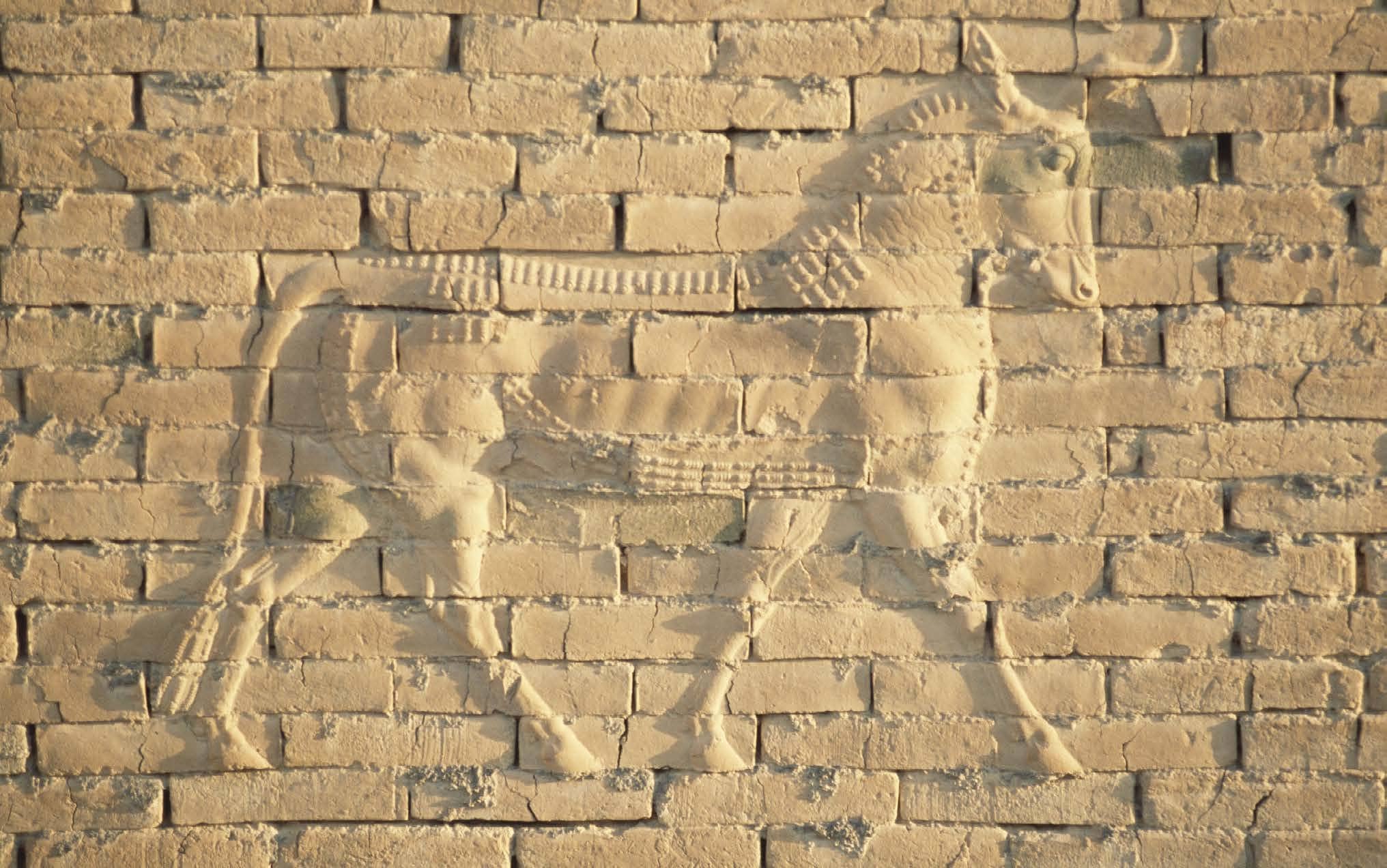
Magical Beasts Of Babylon
Archaeology
|November/December 2019
How the Ishtar Gate safeguarded the Mesopotamian world

The residents of Babylon in the first millennium B.C. saw themselves as facing their past and walking back into the future. In the Akkadian language of ancient Mesopotamia, the word panu, or "face," relates to the past, whereas "behind" is a word associated with the future. Reverence for the past was at the heart of the Neo-Babylonian king Nebuchadnezzar II's (r. ca. 604-562 B.c.) plan to rebuild Babylon. By his time, the city was already more than 1,500 years old and had been shattered by a recent war with the Assyrian Empire. The king and his advisers, called ummanu, who were considered to be descended from divine sages and were experts in religion, architecture, and magic, wanted to create a capital both earthly and divine for their newly established empire, which covered much of their known world. "Babylon was the religious center of the universe and the place of creation of the world, where the gods came to meet humans," says ancient Near Eastern historian Elizabeth Knott of New York University.
At the heart of the reconstructed city was the three-city-blocks-long processional way to the Temple of Marduk, the city's patron god, which ended at the Ishtar Gate. Knott and her colleague Anastasia Amrhein, an art historian at the University of Pennsylvania, recently explored how the processional way and gate, which stood at the literal and metaphysical junction between humans and the divine, were monuments to the Babylonians' past and to their relationship with the natural, man-made, and spiritual worlds.

Bu hikaye Archaeology dergisinin November/December 2019 baskısından alınmıştır.
Binlerce özenle seçilmiş premium hikayeye ve 9.000'den fazla dergi ve gazeteye erişmek için Magzter GOLD'a abone olun.
Zaten abone misiniz? Oturum aç
Archaeology'den DAHA FAZLA HİKAYE
Archaeology
THE EGYPTIAN SEQUENCE
Until now, the earliest Egyptians to have even part of their DNA sequenced were three people who lived between 787 and 544 B.C.

1 mins
November/December 2025
Archaeology
SOURCE MATERIAL
As early as 40,000 years ago, some hunter-gatherers in southern Africa ventured long distances to procure special types of stone to make their tools.
1 min
November/December 2025

Archaeology
Secrets of the Seven Wonders
How archaeologists are rediscovering the ancient world's most marvelous monuments
13 mins
November/December 2025
Archaeology
ACTS OF FAITH
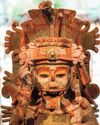
Evidence emerges of the day in 1562 when an infamous Spanish cleric tried to destroy Maya religion
12 mins
November/December 2025
Archaeology
OASIS MAKERS OF ARABIA
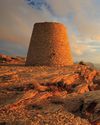
Researchers are just beginning to understand how people thrived in the desert of Oman some 5,000 years ago
8 mins
November/December 2025

Archaeology
FOSSIL FORCE
One of the planet's most successful arthropods, trilobites, abounded in the oceans from about 520 million to 250 million years ago.
1 min
November/December 2025
Archaeology
BIGHORN MEDICINE WHEEL, WYOMING
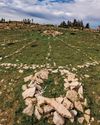
Perched almost 9,700 feet above sea level on Medicine Mountain in Wyoming's Bighorn Range, the Medicine Wheel is an 80-foot-diameter circular structure made from limestone boulders.
2 mins
November/December 2025
Archaeology
ANCIENT LOOK BOOK
A young woman buried in China's Tarim Basin some 2,000 years ago went to the afterlife accompanied by the height of fashion.
1 mins
November/December 2025
Archaeology
A FAMILIAR FACE
In the early eleventh century, a landslide on the island of Ostrów Lednicki in western Poland caused a hillfort to collapse and slip to the bottom of Lake Lednica.
1 min
November/December 2025
Archaeology
Temples to Tradition
A looted cache of bronzes compels archaeologists to explore Celtic sanctuaries across Burgundy
13 mins
November/December 2025
Translate
Change font size