Magzter GOLD ile Sınırsız Olun
Sadece 9.000'den fazla dergi, gazete ve Premium hikayeye sınırsız erişim elde edin
Denemek ALTIN - Özgür
How to Get Your Money Back
Kiplinger's Personal Finance
|July 2020
Some refund policies have been relaxed, but reimbursement isn’t always automatic.

IF THE CORONAVIRUS UPENDED YOUR plans to travel, attend a concert or get married, you may be able to some of your money back. But it’s easier to get reimbursed for some expenses than for others. Here’s a guide to getting a refund or credit.
Flights. As of April, airlines still owed passengers $35 billion for canceled or postponed flights, according to the International Air Transport Association, an industry group. Airlines are going the extra mile to accommodate travelers who still want to travel but also want the flexibility to change their mind. For example, tickets purchased for flights on Delta Airlines for travel between March 1 and September 30 can be rebooked until September 30, 2022, with no change fee. If you cancel a flight booked before May 31, you’ll receive a credit that’s good for one year. Tickets purchased for travel on JetBlue through June 30, 2020, can be rebooked until January 4, 2021, with no change fee. But while most airlines are making it easier to rebook flights, securing a cash refund for a trip you no longer want to take is trickier.
To get a cash refund rather than a credit, wait to see whether the airline cancels your flight—even if you’ve already decided you want to cancel your trip, says Scott Keyes, founder of ScottsCheapFlights.com. If the airline cancels the flight, the Department of Transportation requires it to give you a cash refund. (Airlines tried to have this regulation changed recently, but the DOT rejected that effort.)
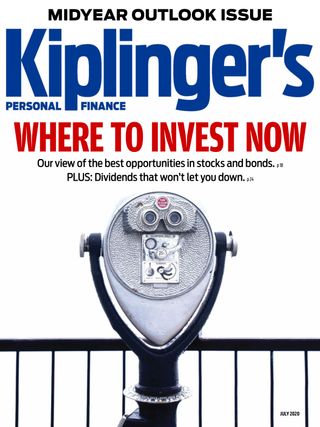

Bu hikaye Kiplinger's Personal Finance dergisinin July 2020 baskısından alınmıştır.
Binlerce özenle seçilmiş premium hikayeye ve 9.000'den fazla dergi ve gazeteye erişmek için Magzter GOLD'a abone olun.
Zaten abone misiniz? Oturum aç
Kiplinger's Personal Finance'den DAHA FAZLA HİKAYE

Kiplinger's Personal Finance
A TAX BREAK FOR MEDICAL EXPENSES
The editor of The Kiplinger Tax Letter responds to readers asking about health care write-offs.

2 mins
February 2026

Kiplinger's Personal Finance
Volunteering to Help Others at Tax Time
Through an IRS program, qualifying individuals can get free assistance with their tax returns.
2 mins
February 2026

Kiplinger's Personal Finance
CATCH-UP SAVERS FACE A TAXING 401(K) CHANGE
Under new rules, you may lose an up-front deduction but gain tax-free income once you retire.
2 mins
February 2026

Kiplinger's Personal Finance
The Case for Emerging Markets
Economic growth, earnings acceleration and bargain prices favor EM stocks.
3 mins
February 2026

Kiplinger's Personal Finance
THE NEW RULES OF RETIREMENT
Popular guidelines about how to save, invest and spend need to be updated and personalized to ensure you'll never run out of money.
15 mins
February 2026

Kiplinger's Personal Finance
Smart Ways to Share a Credit Card
Adding an authorized user has its benefits, but make sure you set the ground rules.
2 mins
February 2026

Kiplinger's Personal Finance
THE BEST AFFORDABLE FITNESS TRACKERS
These devices monitor your exercise, sleep patterns and more- and they don't cost an arm and a leg.
4 mins
February 2026
Kiplinger's Personal Finance
A VALUE FOCUS CLIPS RETURNS
THERE'S more to Mairs & Power Growth than its name implies. The managers favor firms with above-average earnings growth. But a durable, competitive position in their market- “a number-one or number-two position and gaining share,” says comanager Andrew Adams—and a reasonable stock price matter even more.
1 mins
February 2026

Kiplinger's Personal Finance
Look Beyond the Tech Giants
I am hooked on a podcast called Acquired, in which two smart guys do a deep analytical dive, typically lasting three or four hours, on a single successful company such as Coca-Cola or Trader Joe's. Ben Gilbert and David Rosenthal, a pair of venture capitalists, are especially adept at explaining what's behind the success of such tech giants as Alphabet (symbol GOOGL, $320), the former Google, which recently merited 11 hours and 42 minutes of dialogue all by itself.
4 mins
February 2026

Kiplinger's Personal Finance
How to Pay for Long-Term Care
A couple of months ago, I wrote that many Americans significantly underestimate how long they could live in retirement (see “Living in Retirement,” Dec.). With the possibility of a 30-year retirement becoming more common, retirees need to plan for so-called longevity risk to make sure their assets last a lifetime. And the longer you live, the more likely you'll need to pay for some form of long-term care. That can range from assistance with activities of daily living to in-home care to a nursing home stay.
2 mins
February 2026
Translate
Change font size