
Magzter GOLD ile Sınırsız Olun
Sadece 9.000'den fazla dergi, gazete ve Premium hikayeye sınırsız erişim elde edin
Denemek ALTIN - Özgür
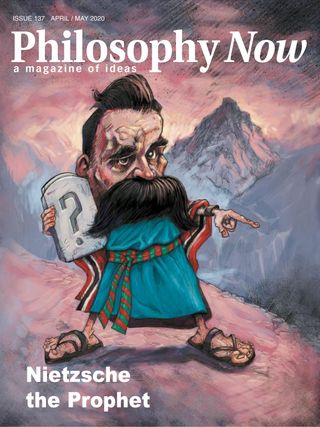
Two Famous Philistines of Philosophy
Philosophy Now
|April/May 2020
Christopher Devlin Brown sees similarities and differences in Nietzsche’s and Plato’s critiques of art.

Received wisdom says that the philosophical projects of Nietzsche and Plato are about as diametrically opposite as any two philosophical projects can be. This impression is not without justification. Plato is the
philosopher of otherworldly order who argued that our senses do not reveal any valuable or fundamental truths. Nietzsche is a selfproclaimed inverter of Platonic philosophy, denying and damning all that is eternal, perfect, and transcendent. However, an overlooked parallel between Nietzsche and Plato in their aesthetic ideas shows they have some unexpected common ground. Specifically, they both attack broad classes of art, arguing that such art is socially problematic. The problem for both of them is that art can negatively affect the development of higher types of people.
“But wait,” you might already be saying, “I can remember Plato’s anti-art attitude; but isn’t Nietzsche a proponent of art, even at times holding it above his often beloved science?”

Bu hikaye Philosophy Now dergisinin April/May 2020 baskısından alınmıştır.
Binlerce özenle seçilmiş premium hikayeye ve 9.000'den fazla dergi ve gazeteye erişmek için Magzter GOLD'a abone olun.
Zaten abone misiniz? Oturum aç
Philosophy Now'den DAHA FAZLA HİKAYE

Philosophy Now
Nosferatu
Stefan Bolea considers two very different artistic approaches to love and death.

6 mins
April/May 2025

Philosophy Now
Heidegger's Ghost
Raymond Tallis wonders where Heidegger's body went when he was philosophising.
7 mins
April/May 2025

Philosophy Now
Is Comedy Good For Us?
Damaris Stock has a laugh with Plato and friends.
10 mins
April/May 2025
Philosophy Now
In Defense of Idleness
Wendell O'Brien says, 'Just Don't Do It'.
10 mins
April/May 2025
Philosophy Now
Leaving Nothing to Chance by Carl Knight
LEAVING NOTHING TO Chance (2025) by Carl Knight, is an informed, proficient and lucid defence of luck egalitarianism.
3 mins
April/May 2025

Philosophy Now
Star Maker by Olaf Stapledon
THE 1937 SCIENCE FICTION novel Star Maker was written by philosophy professor Olaf Stapledon in the dark days as Europe awaited the onslaught of Nazi Germany. This casts a shadow over the whole book.
6 mins
April/May 2025
Philosophy Now
Love & Emptiness in the Sufi Tradition
Medha Ninad Tambe meditates on Rumi, love and self-negation.
7 mins
April/May 2025

Philosophy Now
The Hedgehog's Dilemma: A Metaphor About the Challenges of Human Intimacy
Krishna Chaubey explains Arthur Schopenhauer's poignant thought experiment.
4 mins
April/May 2025

Philosophy Now
The Mirror & the Flame
Rebwar Fatah imagines Attar's & Hegel's shared path.
4 mins
April/May 2025
Philosophy Now
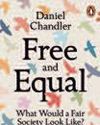
Free and Equal by Daniel Chandler
DANIEL CHANDLER, AN economist and philosopher based at the London School of Economics, begins Free and Equal: What Would a Fair Society Look Like? (2023) by asking an intriguing question. How is it, he wonders, that the most influential political philosopher of the last century has had almost no practical impact on politics or policy? The philosopher in question is John Rawls, whose magnum opus was A Theory of Justice (1971).
5 mins
April/May 2025
Translate
Change font size