
Magzter GOLD ile Sınırsız Olun
Sadece 9.000'den fazla dergi, gazete ve Premium hikayeye sınırsız erişim elde edin
Denemek ALTIN - Özgür
SHOW & TELL
BBC Wildlife
|September 2022
Teaching was once considered a uniquely human behaviour, but science now recognises a small and very diverse group of species as animal teachers

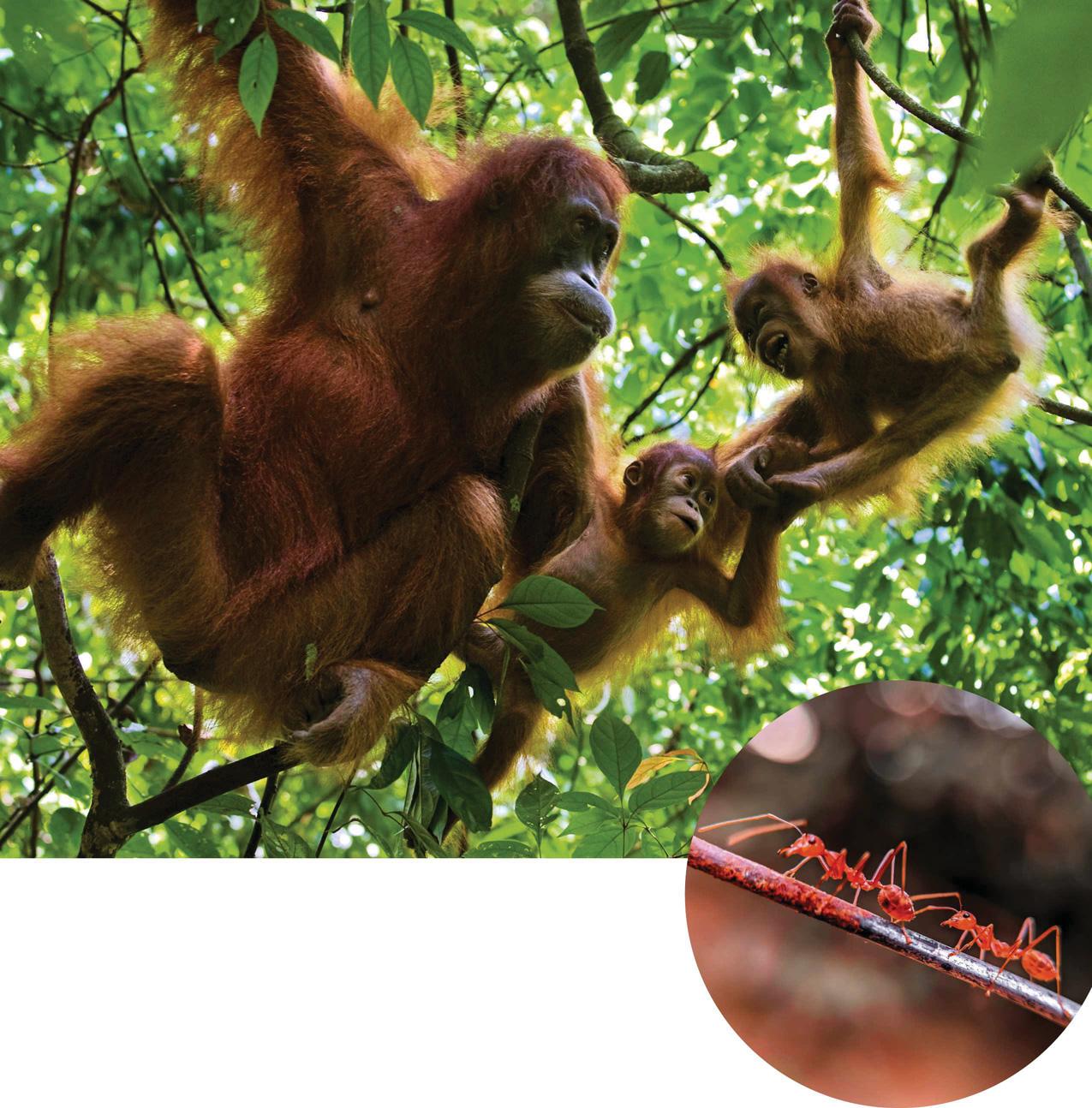
SOMETIMES, AN ORANGUTAN mother must step in to stop her progeny from eating poo or poisonous leaves. Baby orangutans, like all youngsters, have a lot to learn about life. The mother is the infant's primary role model - for up to nine years, the longest dependency period of any non-human primate - and it is from watching and interacting with her that the youngster learns many of its survival skills, including the technical know-how for processing more than 200 food items.
The word 'teaching' comes to mind. But this is where things get tricky. Because, while the concept of animals 'teaching' their young may not seem controversial, it elicits lively discussions in the scientific world.
Teaching is so fundamental to how our children learn that historically it was considered a uniquely human trait. We are, after all, intelligent, intentional beings, so surely teaching must reflect these traits? At the heart of this is the assumption that when we teach, we are using our big brains to work out the best method, balancing our own beliefs and motivations with what we know about those of our pupils.
This capability to predict what others are thinking is termed 'theory of mind'. For a long time, other animals were thought to lack any of these 'mind-reading' abilities, so they were also assumed incapable of teaching.
IMAGINE THE SHOCKWAVES WHEN, in 2006, a little species of ant overturned this assumption. "It was the last thing people expected," says Nichola Raihani, professor of evolution and behaviour at University College London. "For such a long time, people were looking for examples of teaching in chimpanzees. And the next thing is it comes from an ant."

Bu hikaye BBC Wildlife dergisinin September 2022 baskısından alınmıştır.
Binlerce özenle seçilmiş premium hikayeye ve 9.000'den fazla dergi ve gazeteye erişmek için Magzter GOLD'a abone olun.
Zaten abone misiniz? Oturum aç
BBC Wildlife'den DAHA FAZLA HİKAYE
BBC Wildlife
Animal welfare
FURTHER TO EM GENOVESE'S LETTER (Your Letters, Spring 2026), I would like to signpost the charity Wild Welfare to readers.

2 mins
May 2026
BBC Wildlife
"The hooves pounded up the trail behind us"
Moose in Colorado
3 mins
May 2026
BBC Wildlife
SEAGRASS SAVIOURS
Sometimes, saving the planet requires a bright idea, some practical know-how and a bit of tinkering
6 mins
May 2026
BBC Wildlife
WALL TO WILD
After the fall of the Berlin Wall, reunified Germany became a new landscape not only for people, but for wildlife too 'M SITTING IN A FOREST IN Brandenburg, northeast Germany, looking over a large clearing.
7 mins
May 2026
BBC Wildlife
SNAP-CHAT
Samuel Bloch on wild horses, crazy capercaillies and sleeping on the job
2 mins
May 2026
BBC Wildlife
Old trees key to resilience
Study finds mature trees trump youthful ones
1 min
May 2026
BBC Wildlife
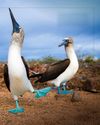
ONE STEP BEYOND
There's a lot more to these quirky seabirds than their eye-catching limbs
2 mins
May 2026
BBC Wildlife
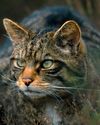
RETURN OF A LEGEND
Once teetering on the very brink of extinction, the elusive Scottish wildcat is prowling the Highlands once more, thanks to a bit of help
7 mins
May 2026
BBC Wildlife
Urban scavengers help curb carbon
New study reveals the extent of emissions saved as city animals feast on food waste
2 mins
May 2026
BBC Wildlife
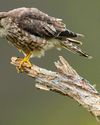
Merlin on the brink
The diminutive raptor is one of many species facing extinction in Britain, suggests new report
1 mins
May 2026
Translate
Change font size