Denemek ALTIN - Özgür
Black masses, lethal potions and the plot to kill a king
BBC History UK
|June 2023
In the 1670s, Louis XIV of France was the target of a series of assassination attempts involving poisons and necromancy. But who was the perpetrator? Josephine Wilkinson untangles a conspiracy that scandalised a nation

On a cold day in February 1680, a woman in her early forties was driven through the streets of Paris to the Place de Grève. A huge crowd had gathered to witness the spectacle to come. A priest stood to one side, a prayerbook in his hand, his voice silenced by the roar of the crowd. The executioner, his face concealed within a leather mask, ordered the woman to be brought forward. Her drunken state dulled some of her terror as she was tied to the stake, seated and bound with iron. Wood and straw were piled up around her. The fire was lit. After some time, her screams were ceased as her earthly agonies came to an end.
The woman’s name was Catherine Deshayes Monvoisin, known as La Voisin. She was arrested, tried and executed during the Affair of the Poisons, among the most sensational crime scandals in French history, one that saw everyone from anonymous peasants to members of the nobility accused of necromancy and murder.
By the time of her death, La Voisin had enjoyed a long and successful career as a fortune-teller, sorcerer, poisoner and abortionist. While she catered to a wide clientele, most of her patrons were ladies from the court of King Louis XIV, to whom she would supply love potions, creams to enhance beauty, or the means to free themselves from an unwanted pregnancy. Mistresses consulted her to learn when their lovers would leave their wives – or, if they would not, to find a way to relieve them of their spouses. Others were impatient to rid themselves of a rich father, so they could get their hands on the family fortune.
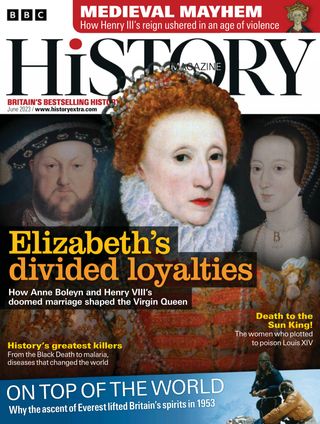

Bu hikaye BBC History UK dergisinin June 2023 baskısından alınmıştır.
Binlerce özenle seçilmiş premium hikayeye ve 9.000'den fazla dergi ve gazeteye erişmek için Magzter GOLD'a abone olun.
Zaten abone misiniz? Oturum aç
BBC History UK'den DAHA FAZLA HİKAYE
History Extra
Going for gold
PATRICIA FARA recommends a globetrotting, time-travelling account of the roots of chemistry

2 mins
May 2026

History Extra
Viking revenge
JAMES OSBORNE indulges his love of Norse history in a role-playing game that scores high on the visuals but only skates over the underlying history
1 mins
May 2026

History Extra
Siena in five places
One of Tuscany's most magical hilltop cities is a medieval marvel of civic pride.
3 mins
May 2026
History Extra
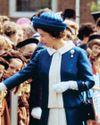
The great survivor
When Elizabeth II ascended the throne in 1952, she could barely have conceived the currents - imperial retreat, multiculturalism, de-industrialiation – that would transform the nation during her reign. On the centenary of the Queen's birth, David Cannadine explores how she navigated seven decades of dizzying change
10 mins
May 2026

History Extra
Georgian Chocolate Tart
ELEANOR BARNETT serves up a rich chocolate tart that was once fit for a recovering king
2 mins
May 2026

History Extra
Capital ideas
A Kingdom and a Village: A One -Thousand-Year History of Moscow
1 mins
May 2026
History Extra
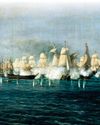
War report
SAM WILLIS enjoys a richly detailed and entertaining account of Admiral Horatio Nelson's greatest victory and its complicated aftermath
2 mins
May 2026
History Extra
The Peasants Revolt erupts
Popular anger at rising living costs shakes feudal England to its core
1 mins
May 2026

History Extra
Tales of coexistence
HEATHER J SHARKEY is impressed by a sweeping yet nuanced book challenging the idea that Jews and Muslims have been locked in a perpetual state of war
2 mins
May 2026

History Extra
"Narratives of victimhood, resistance and sacrifice are core to the Iranian regime's identity"
Revolution, repression and recurring crisis have shaped Iran's recent past – and continue to define its volatile present
10 mins
May 2026
Translate
Change font size