
Magzter GOLD ile Sınırsız Olun
Sadece 9.000'den fazla dergi, gazete ve Premium hikayeye sınırsız erişim elde edin
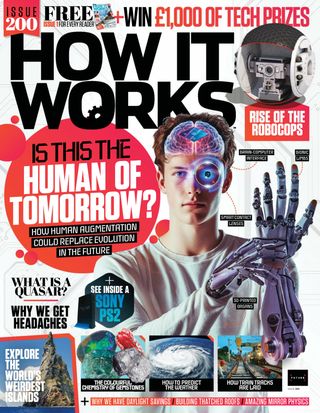
IS THIS THE HUMAN OF TOMORROW?
How It Works UK
|Issue 200
HOW WIRES AND CIRCUITS ARE MINGLING WITH BLOOD VESSELS AND NERVES TO CHANGE THE COURSE OF HUMAN EVOLUTION
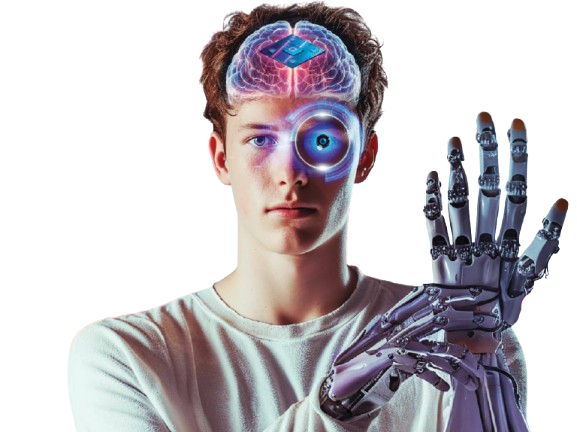
The world as we know it is on a one-way trajectory to a technological overhaul. With each year that passes, cybernetics and artificial intelligence are finding their way into every nook and cranny of society. Even the human body isn't exempt from this mechanical makeover: our smartphones have become an unintentional extension of our hands, while robotic limb enhancements and nanobot immunity are on the horizon.
But why would we let this technology take over our physiology?
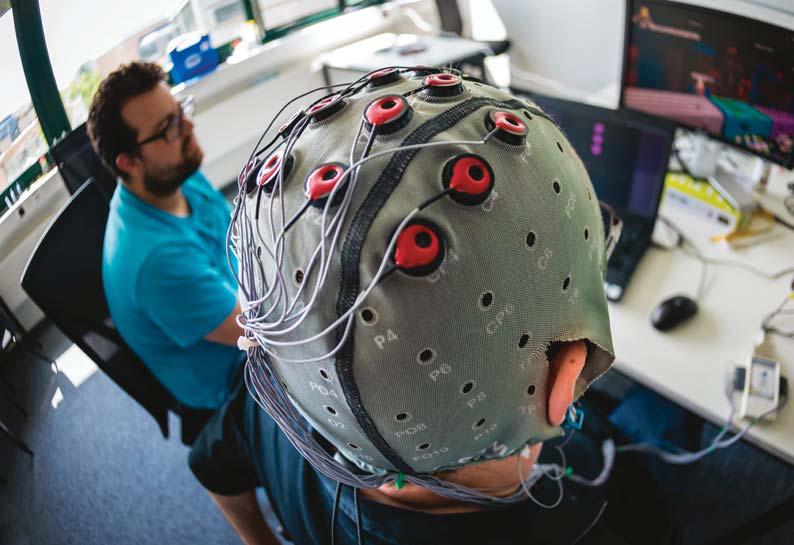
The most common reason is to replicate an ability that has been lost or was missing at birth. Prosthetics are the best example of this, helping people regain motor functionality and movement. Since the early 1800s, engineers have created mechanical devices to mimic the function of missing limbs or appendages. But today some of the most advanced prosthetics in the world can tap into the signals zipping around the body's nervous system, allowing the user to control their prosthetic limb by will alone. Many battery-powered prosthetics can use the electrical signals of existing muscles to operate robotic fingers and arms.
They’re known as myoelectric prostheses, and they depend upon a series of electrodes in the socket of the device that make contact with the skin and muscle of the residual limb. When the wearer contracts the muscles involved in a certain action, such as grasping individual fingers, bending an elbow or rotating the wrist, the device can distinguish the electrical signal for each action and carry them out.

Bu hikaye How It Works UK dergisinin Issue 200 baskısından alınmıştır.
Binlerce özenle seçilmiş premium hikayeye ve 9.000'den fazla dergi ve gazeteye erişmek için Magzter GOLD'a abone olun.
Zaten abone misiniz? Oturum aç
How It Works UK'den DAHA FAZLA HİKAYE
How It Works UK
SPACE MINING UNCOVERED
Asteroids rich in rare elements could be harvested for their valuable contents, but the real worth may be in using them as interplanetary fuel stations

2 mins
Issue 211
How It Works UK
WHY THINGS ROT
How dead plants and animals decay, and how living organisms rely on this natural process to survive
3 mins
Issue 211

How It Works UK
BOOZE, BEANS AND YOUR BODY
Caffeine and alcohol are two of the world's most common drugs. But what effects does drinking them have on our brains and bodies?
5 mins
Issue 211

How It Works UK
HOW TO CLEAN A SKYSCRAPER WINDOW
Discover how skilled window cleaners with nerves of steel tackle these towering glass facades
2 mins
Issue 211
How It Works UK
ASTRONAUTS SEE COMET LEMMON 'ABSORBED' BY AURORAE
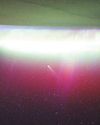
For skywatchers, scientists and even the astronauts on the International Space Station (ISS), the skies have been active. The Sun has released its largest eruptions of 2025, sparking a series of aurorae that have reached as far south as Mexico. While astronauts on the ISS had to take shelter during the recent solar storms to avoid potentially dangerous radiation, they did manage to capture this image of Comet Lemmon appearing near the aurorae on Earth.
1 min
Issue 211
How It Works UK
HOW TO MAKE MAPLE SYRUP
Your favourite pancake topping is much more than just a sugary treat made in a factory
1 mins
Issue 211
How It Works UK
A high-fibre diet may ‘rejuvenate' immune cells that fight cancer
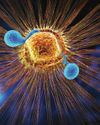
Microbes in the gut can help the immune system fight cancer, and a fibre-rich diet may be the key to unlocking those benefits, a study in mice suggests. The immune system is a key player in the body’s battle against cancer. On the front line of this resistance are CD8+ killer T cells, a type of immune cell that marauds around tumours and then exterminates the cancerous cells. But after each successive battle, these cells become worn out and don’t find tumours as effectively. As such, treatments that provide the cells with enough pep to finish their job are in high demand.
2 mins
Issue 211
How It Works UK
SEE THE BUTTERFLY NEBULA LIKE NEVER BEFORE
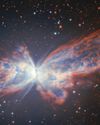
On 26 November 2025, the Gemini South telescope turned 25, and astronomers celebrated its birthday with a dazzling new image of the Butterfly Nebula.
1 min
Issue 211

How It Works UK
The Gulf of Suez is pulling apart
The Gulf of Suez, which partially divides Africa and Asia, may still be widening 5 million years after we thought it had stopped.
2 mins
Issue 211

How It Works UK
REMOTE ABILITIES
Infrared remotes are cheaper and more power-efficient than Bluetooth alternatives
1 mins
Issue 211
Listen
Translate
Change font size